

Shows


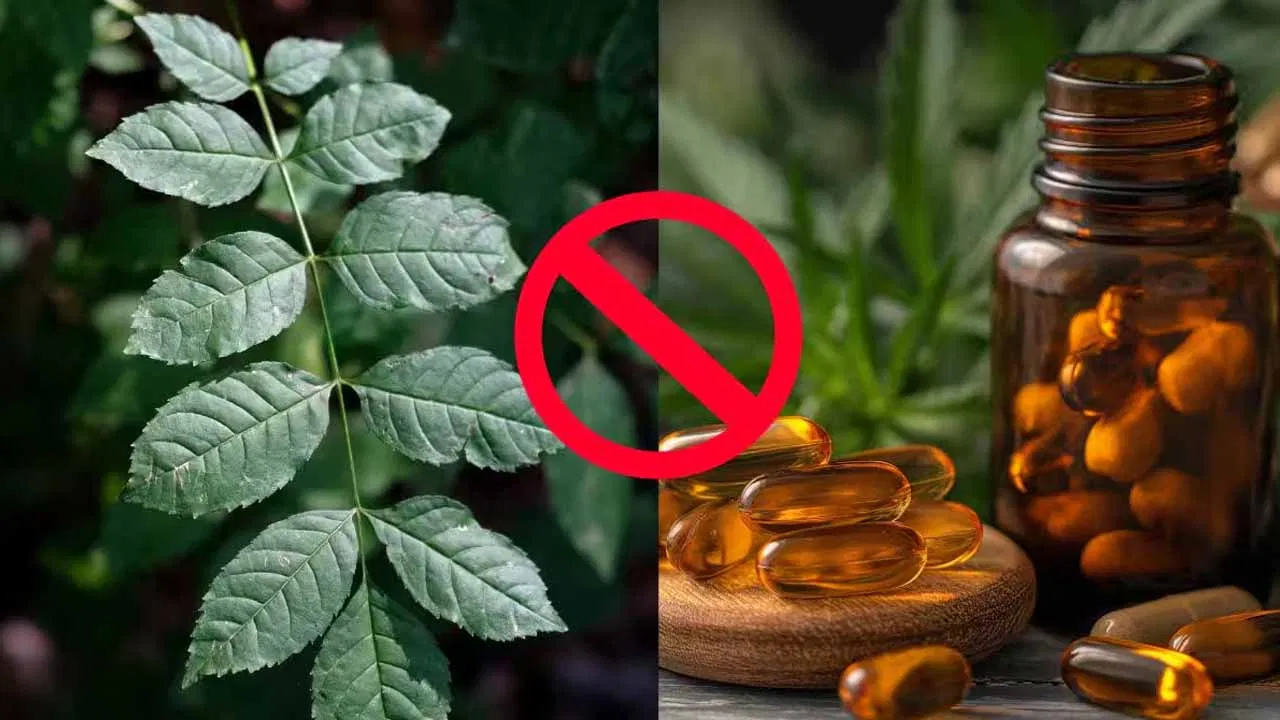
Ashwagandha is widely known in Ayurveda as a highly valued medicinal herb. It is popularly referred to as “Indian ginseng” due to its multiple health benefits, including stress reduction, improved muscle strength and better sleep quality. However, recently the Food Safety and Standards Authority of India (FSSAI) and the Ministry of AYUSH have issued a significant directive banning the use of Ashwagandha leaves. Experts state that this decision has been taken primarily on safety considerations.
Traditionally, Ayurvedic texts recommend only the root of Ashwagandha for medicinal use. However, some supplement manufacturers have started using the leaves as a cost-cutting alternative. Research indicates that Ashwagandha leaves contain a high concentration of withaferin-A, which may pose a risk of liver damage if consumed in excessive amounts. It may also lead to digestive issues and adverse effects on the nervous system. In contrast, the root of Ashwagandha is not banned and is considered safe when used in appropriate dosages. Experts emphasize that these new regulations will help bring clarity for consumers and encourage the use of safer, standardized products.
Disclaimer: The information provided is for awareness purposes only. It is based on expert opinions and general references. In case of any health concerns, it is advisable to consult a qualified medical professional.

















Comments (0)
No comments yet
Be the first to comment!