

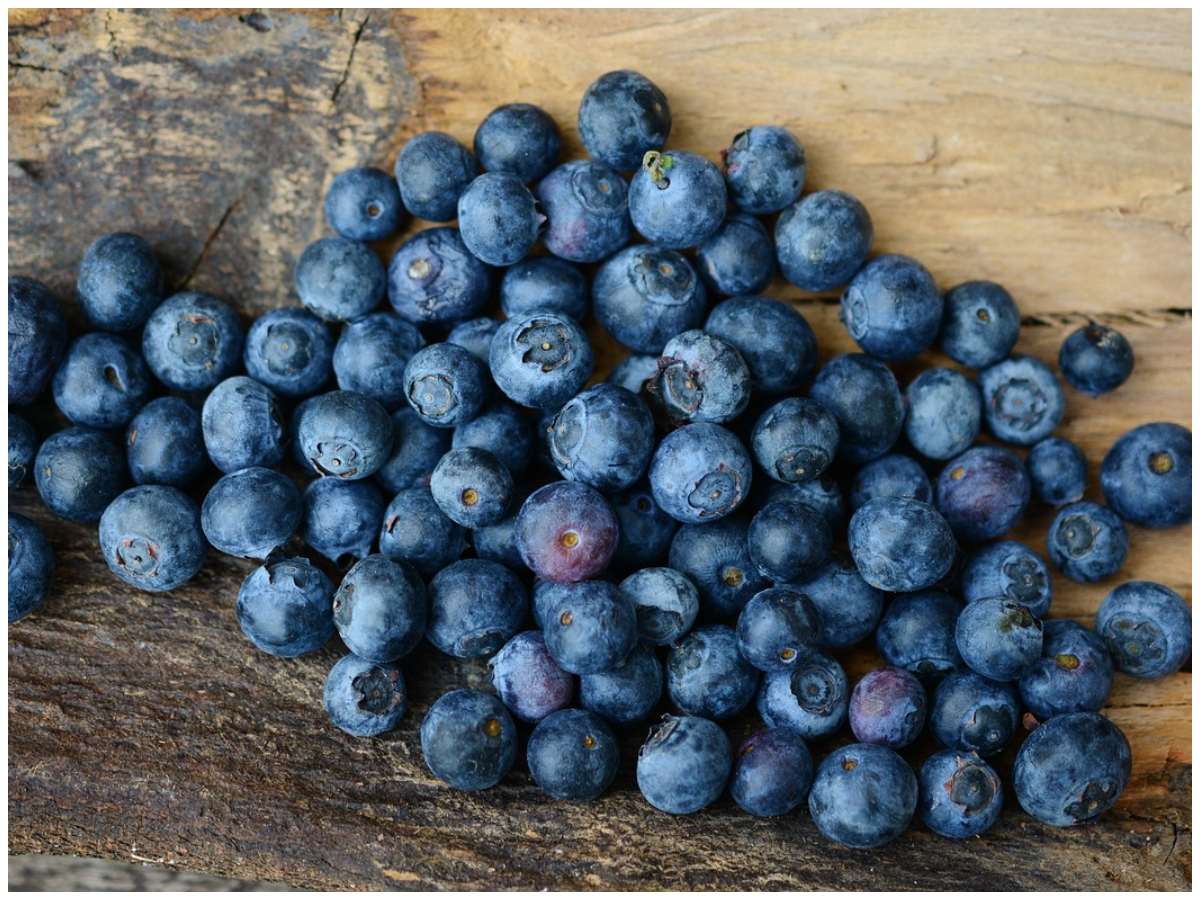



Shows


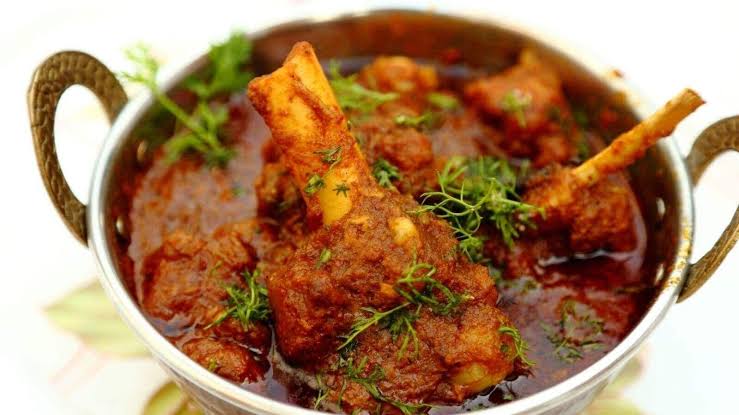
Mutton is considered nutritious, but not all cuts are equally healthy. Certain portions such as chops, shoulder, ribs, and chest contain higher levels of fat and calories due to limited movement in those parts of the animal. These fatty cuts are often preferred for biryani and curries because they are juicy and flavorful. However, frequent consumption of such high-fat portions can easily exceed daily calorie limits and negatively impact overall health.
Saturated fats in mutton can increase LDL (bad cholesterol) levels, raising the risk of heart disease, obesity, and fatty liver. Health experts recommend limiting intake to 100–150 grams per day and not more than twice a week. Choosing lean cuts like the leg portion (raan or shank), trimming visible fat, and opting for low-oil cooking methods such as pressure cooking instead of deep frying can make mutton consumption healthier and safer.
Note: This information is provided for awareness purposes only. If you have any health issues or doubts, please consult a doctor and follow their advice accordingly.












Comments (0)
No comments yet
Be the first to comment!