
Business


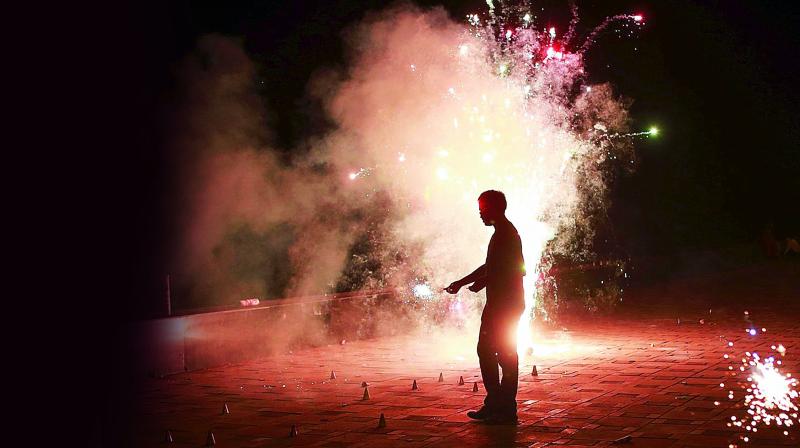
Diwali celebrations bring colourful lights and fireworks, but the smoke released by firecrackers can affect air quality and pose health risks. People with respiratory conditions such as asthma, bronchitis and COPD may be particularly vulnerable. Firecrackers release fine particulate matter, including PM2.5 and PM10, along with gases such as sulphur dioxide and nitrogen oxides. Exposure to these pollutants can irritate the airways and trigger coughing, throat irritation, wheezing, chest tightness and breathing difficulties. Young children, older adults and people with existing heart conditions should also take extra precautions during the festive season.
People with asthma should avoid bursting firecrackers and staying near areas filled with smoke. Those who need to step outside can wear a properly fitted N95 mask, which helps reduce exposure to fine particles but does not provide complete protection against all air pollutants. Checking the local Air Quality Index (AQI), staying indoors when air quality is poor and keeping windows and doors closed can help limit exposure. A suitable HEPA-filter air purifier may also help improve indoor air quality. People with respiratory conditions should keep prescribed inhalers and medicines within reach and follow their doctor's advice. Persistent coughing, wheezing or breathlessness should not be ignored. Severe breathing difficulty, inability to speak comfortably or significant chest discomfort requires immediate medical attention.
Note: Firecracker smoke and fine airborne pollutants can worsen respiratory conditions such as asthma and COPD. An N95 mask offers some protection against fine particles but does not filter out all air pollutants and gases. People with existing respiratory conditions should continue taking their prescribed medicines and following their doctor's treatment plan.











Comments (0)
No comments yet
Be the first to comment!