

General


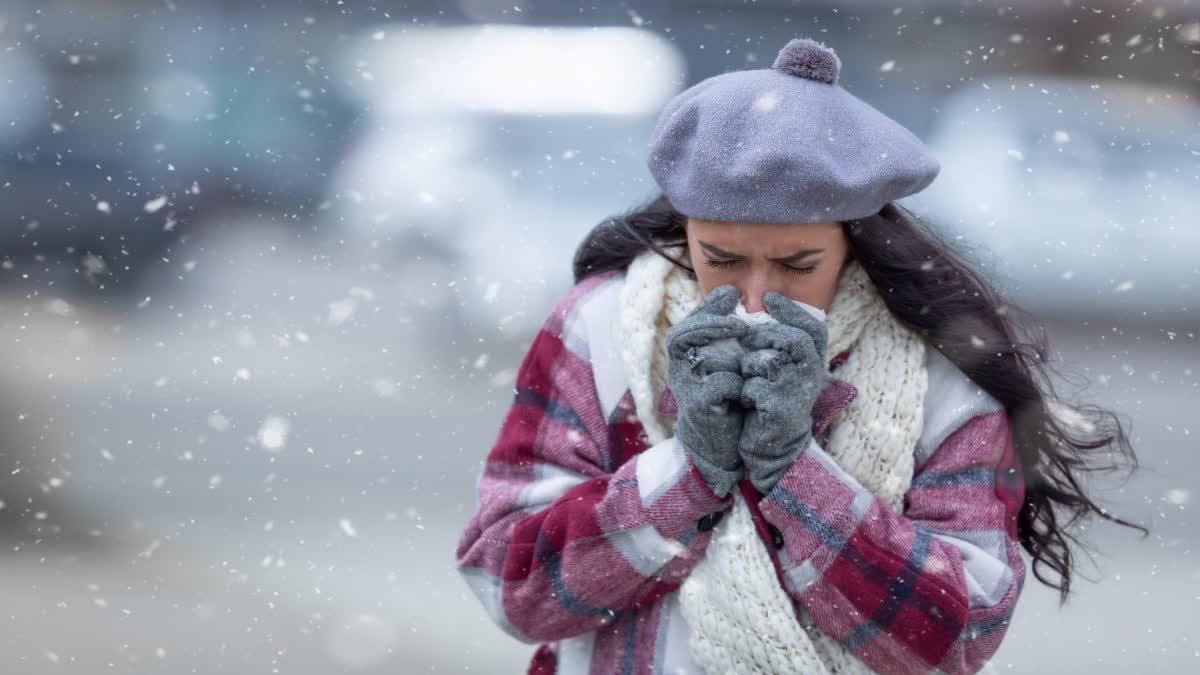
Temperatures are gradually dropping, particularly during the early morning and late evening hours, increasing concerns about seasonal health problems. Many people experience common symptoms such as colds, coughs and sore throats during this period. Children, older adults and individuals with respiratory conditions such as asthma need to be particularly careful. Although cold weather does not directly cause viral infections, spending more time indoors, poor ventilation and seasonal changes can create conditions that favour the spread of viruses. Wearing inadequate clothing, drinking insufficient water, neglecting hand hygiene and keeping indoor spaces poorly ventilated are some common mistakes that may affect health. Inadequate sleep, poor nutrition and ignoring early symptoms can also affect the body's normal immune function.
According to Dr Major Rajesh Bharadwaj, Consultant at MedFirst ENT Centre, taking simple precautions can help reduce the risk of respiratory infections during seasonal changes. People should wear warm clothing, stay hydrated, wash their hands regularly and ensure proper ventilation in indoor spaces. A balanced diet, adequate sleep and timely medical attention are equally important. Doctors also advise against taking antibiotics without medical guidance, as common colds are usually caused by viruses, against which antibiotics are ineffective. People with asthma, COPD, heart conditions or weakened immune systems should take extra precautions. Those experiencing breathing difficulties, chest pain, persistent high fever or worsening symptoms should seek immediate medical attention. Getting recommended vaccinations, following medical advice and maintaining healthy daily habits can help reduce the risk of seasonal infections.
















Comments (0)
No comments yet
Be the first to comment!