

General


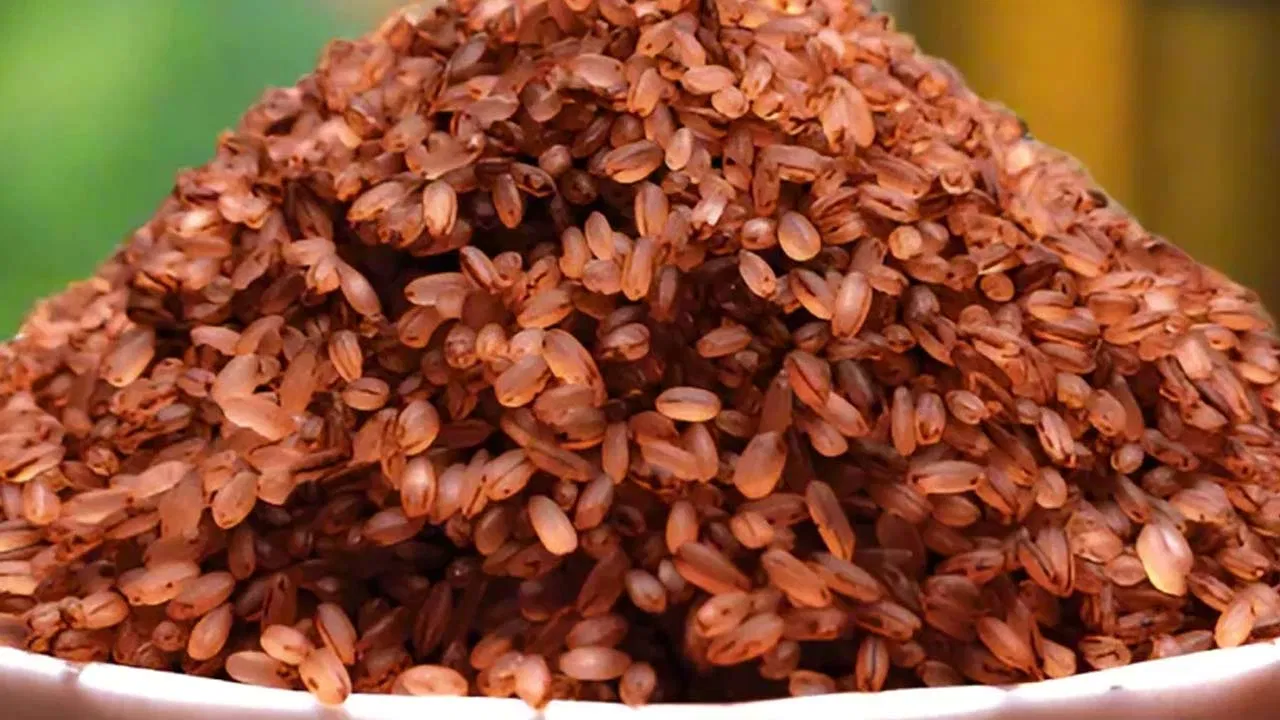
Red rice is a nutritious grain and a good source of dietary fibre and antioxidants. According to the nutritional values provided, 100 grams of red rice contains approximately 356 calories, 75.5 grams of carbohydrates, 9 grams of protein, 3 grams of fat and 11 grams of dietary fibre. Its reddish colour comes from anthocyanins, while compounds such as phenols also contribute to its antioxidant properties. These antioxidants help protect the body's cells against oxidative stress. Compared with white rice, red rice generally contains more fibre, which supports digestion and helps people feel fuller for longer. This may help control appetite and support weight management. Its fibre content can also slow down the absorption of carbohydrates. However, there is insufficient evidence to claim that eating red rice can completely prevent diabetes, particularly in people with a family history of the condition.
The dietary fibre in red rice may also support cholesterol management by helping reduce the absorption of certain fats in the digestive system. Some natural compounds found in red rice have been studied for their potential effects on joint health, but further research is needed to establish whether they can protect cartilage, particularly in the knees. People who wish to include red rice in their diet can soak it for around four to eight hours before cooking. Those managing their weight or blood sugar levels may consider eating it in controlled portions as part of a balanced diet. People with diabetes, high cholesterol, fatty liver or obesity should not eliminate rice completely without professional advice. Instead, they should consult a doctor or registered dietitian to determine suitable food choices and portion sizes. Children, older adults, pregnant women and breastfeeding mothers should also choose foods according to their individual nutritional requirements.

















Comments (0)
No comments yet
Be the first to comment!