
Movies


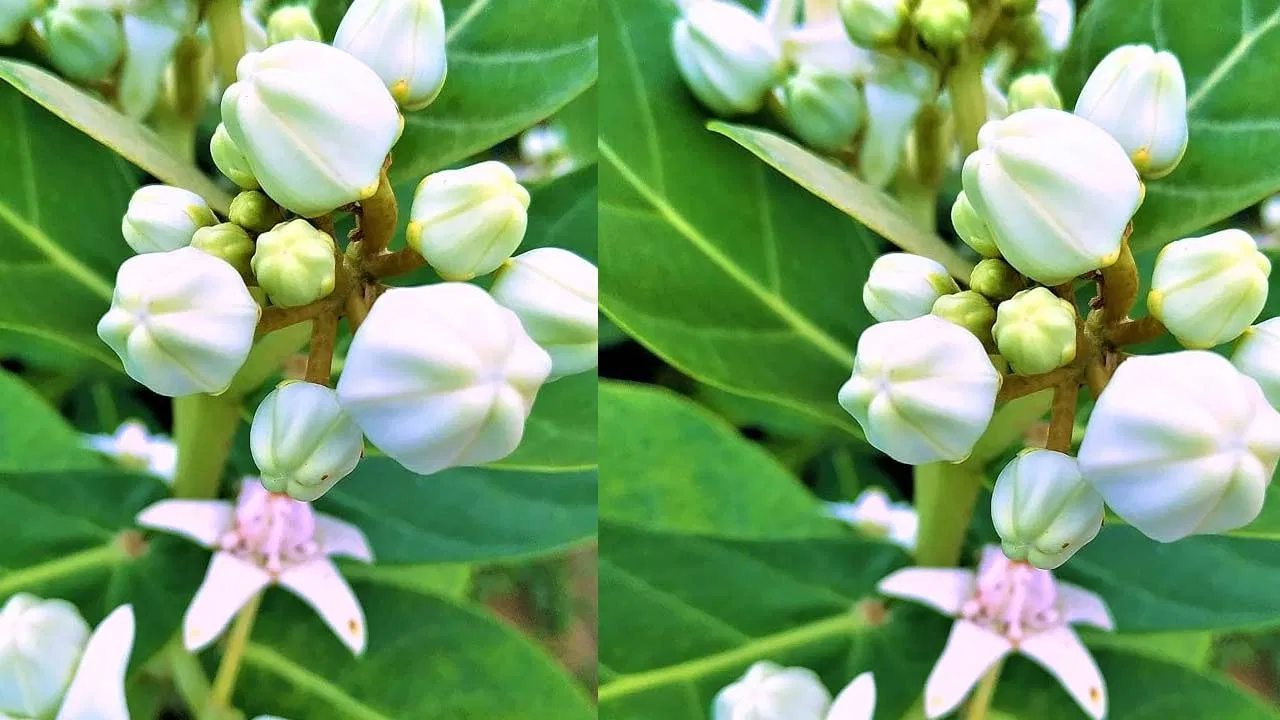
Knee pain is a common health concern that affects people across different age groups. Factors such as ageing, excess body weight, joint disorders and physical strain can contribute to the condition. Along with medication and medical treatment, some people also explore home remedies and traditional practices for relief. In this context, the Calotropis plant, commonly known as Jilledu in Telugu, is often mentioned in traditional medicine. The plant is commonly found in two varieties, red-flowered and white-flowered. However, claims that it can effectively treat knee pain should not be considered medically established without reliable clinical evidence.
Various parts of the Calotropis plant have been used in traditional remedies for different health concerns. However, the plant contains toxic compounds, and its milky latex can cause harm, particularly if it comes into contact with the skin or eyes. Applying the latex directly, using heated leaves as a knee wrap or consuming any part of the plant without professional guidance may pose health risks. People experiencing persistent knee pain, swelling or difficulty walking should consult a qualified healthcare professional rather than relying on unverified remedies.
Disclaimer: The milky latex of the Calotropis plant may be toxic. Using heated Calotropis leaves as a knee wrap or consuming any part of the plant to relieve knee pain is not a proven or established medical treatment. Therefore, claims about its health benefits should not be treated as confirmed medical facts. Appropriate precautions should be taken, and treatment should be followed only under the guidance of qualified healthcare professionals.

















Comments (0)
No comments yet
Be the first to comment!