
Movies


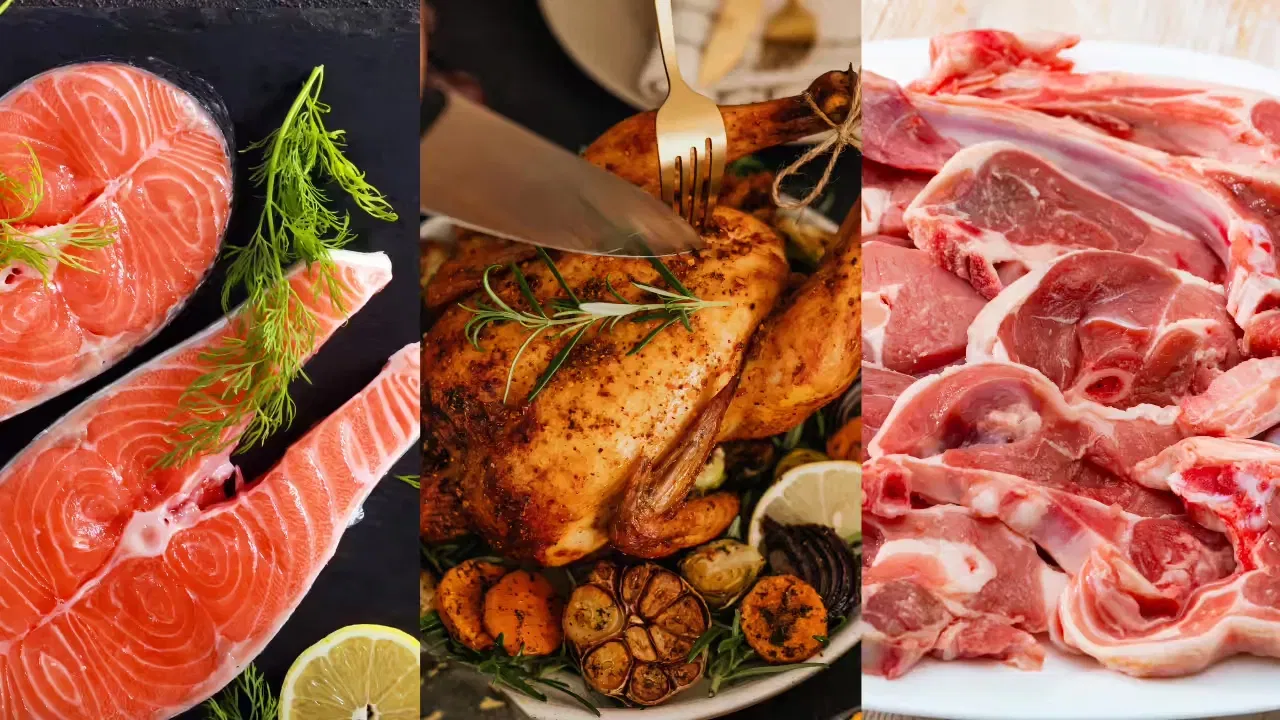
As people grow older, changes in dietary habits become increasingly important for maintaining good health. Many believe that non-vegetarian food, including mutton, chicken and fish, should be reduced or completely avoided after the age of 40 or 50. However, health experts point out that reaching a particular age does not mean one must give up meat entirely. Its impact on health largely depends on the type of meat consumed, portion size and cooking method. Regularly eating large quantities of red meat, such as mutton and beef, and processed meat products like sausages and bacon may increase the risk of heart disease, high cholesterol and colorectal cancer. Research has also linked excessive meat consumption to worsening uric acid problems in some individuals. Therefore, limiting red and processed meat is generally advisable.
People who choose to reduce or eliminate meat from their diet should ensure they receive adequate protein, vitamin B12 and iron through alternative food sources. Lentils, chickpeas, kidney beans, soybeans, tofu, milk, curd and paneer can help meet protein requirements. Those following vegetarian or vegan diets should pay particular attention to vitamin B12 levels and seek medical advice about testing or supplements when necessary. People who continue eating non-vegetarian food can opt for fish and skinless chicken in moderate portions instead of frequently consuming red or processed meat. Healthier cooking methods, such as boiling and grilling, are preferable to preparations involving excessive oil and salt. Ultimately, dietary choices should depend on individual health conditions and nutritional needs rather than age alone. People with heart disease, high cholesterol or uric acid problems should consult a doctor or qualified nutritionist before making significant dietary changes.


















Comments (0)
No comments yet
Be the first to comment!