
Sports


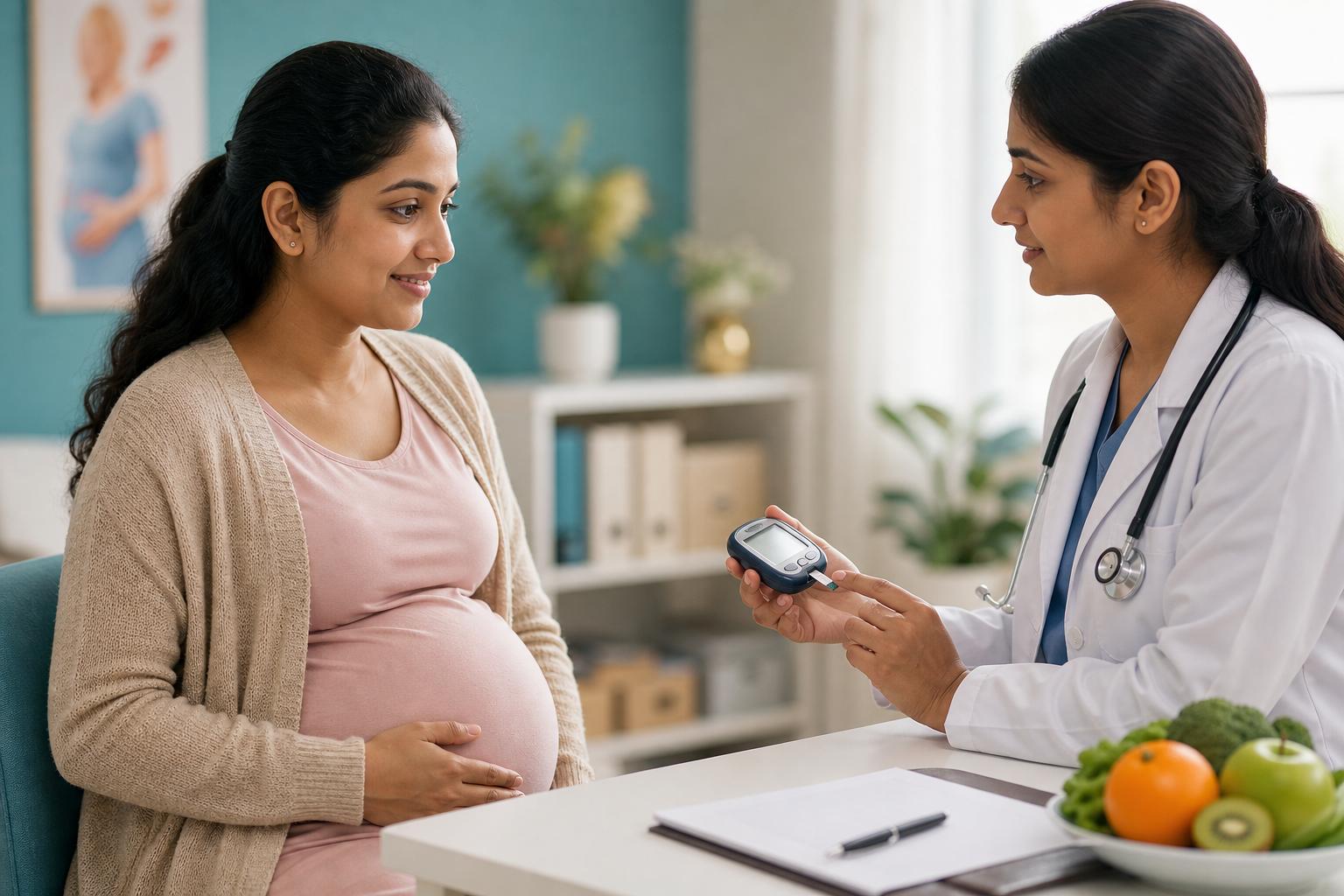
Women with Type 2 diabetes may have lower breastfeeding rates largely due to factors associated with a higher body mass index (BMI), rather than the diabetes diagnosis alone, a prospective controlled study suggests. Researchers compared women with Type 2 diabetes with two groups of women without diabetes: one matched for age, parity and BMI, and another with a normal BMI. Four-month feeding data were available for 29 women in each of the first two groups and 28 in the normal-BMI group. Full breastfeeding rates were 24% among women with diabetes, 38% in BMI-matched controls and 64% in normal-BMI controls. The rates of any breastfeeding were 55%, 54% and 82%, respectively. Differences between women with diabetes and BMI-matched controls were not statistically significant, while both breastfeeding measures were lower in the diabetes group compared with the normal-BMI group.
The study also found that women with Type 2 diabetes breastfed less frequently during the first 24 hours after delivery, and their babies were more likely to receive formula in hospital. Neonatal hypoglycaemia was the most common reason for the first formula feed in this group. However, the researchers cautioned that the small sample size limited further analysis and that the observational design could not establish higher BMI as the cause of reduced breastfeeding. They also noted that a non-significant result does not rule out an independent effect of diabetes. The findings highlight the need for personalised breastfeeding support throughout pregnancy, hospital care and the postnatal period, while taking into account medical needs, maternal preferences and individual circumstances. Larger studies are needed to understand the roles of BMI, metabolic health and newborn care in breastfeeding outcomes.


















Comments (0)
No comments yet
Be the first to comment!