


General


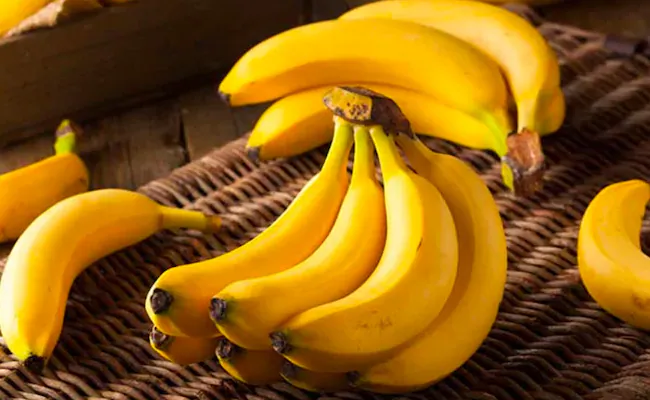
As winter sets in, parents become more cautious about their children's health and dietary habits. One common concern is whether bananas should be avoided during the colder months, as many believe they can cause colds and coughs. However, there is no scientific evidence that eating bananas directly causes a common cold, which is usually caused by viruses. Bananas contain essential nutrients such as potassium, magnesium, vitamins, fibre and carbohydrates. These nutrients provide energy, support normal digestion and may help prevent constipation, making bananas a nutritious addition to a child's diet.
Babies can be introduced to bananas after completing six months of age, along with other complementary foods. Depending on the child's age and eating ability, the fruit can be mashed or served in appropriately sized pieces to reduce choking risks. During winter, parents may prefer serving bananas at room temperature rather than straight from the refrigerator. There is also no strong evidence that eating bananas at night necessarily causes mucus or digestive problems in every child. If a child already has a cold or cough, parents should consider the child's individual response and overall health. Medical advice is recommended if the child experiences discomfort. Bananas can be included in a balanced diet in age-appropriate portions.
Note: This information is intended for general health awareness only. Solid foods should not be introduced to babies below six months of age without medical advice. If children have a cold, cough or any other health issues, consult a paediatrician before making changes to their diet.












Comments (0)
No comments yet
Be the first to comment!