
Shows

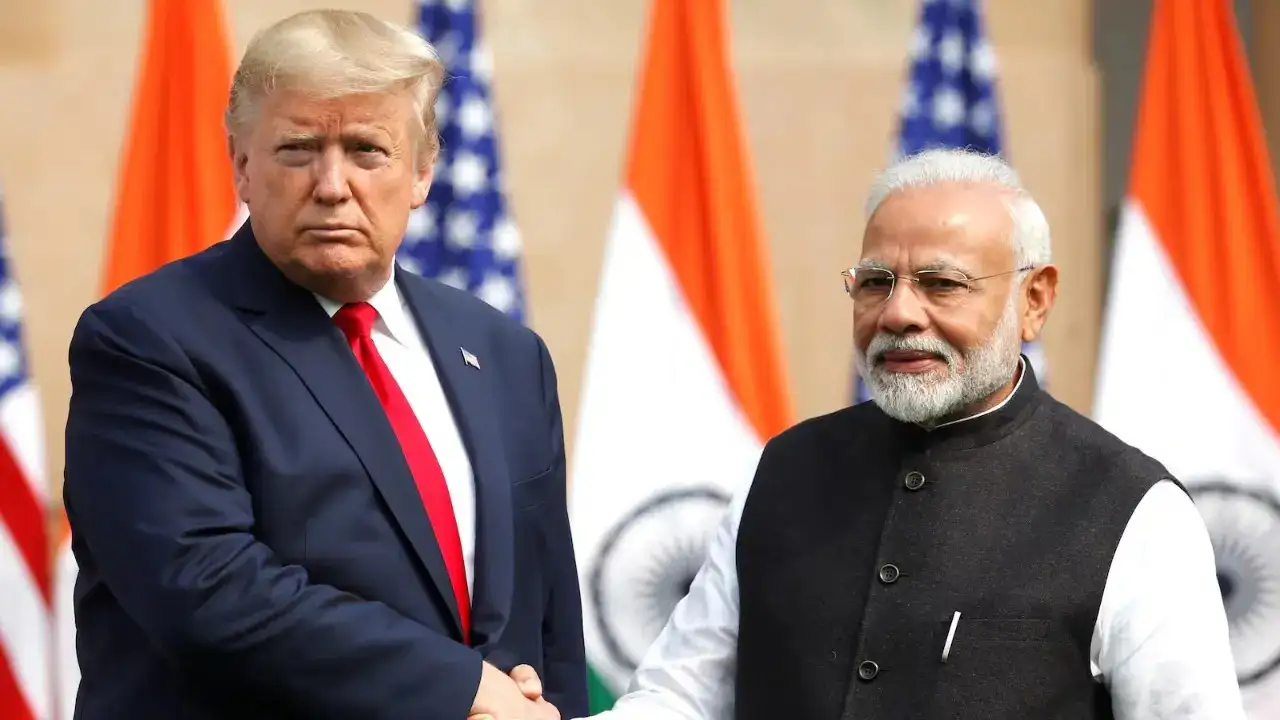
Following Donald Trump’s return to the US presidency, India has faced significant economic and diplomatic pressure from Washington. The year 2025 was largely dominated by tariff disputes, as the Trump administration imposed duties across a wide range of Indian exports, citing the absence of a bilateral trade agreement. In August, the US announced a steep 50 percent tariff on Indian goods, marking a low point in trade ties despite multiple rounds of discussions.
Tensions escalated further over India’s continued purchase of Russian oil, with President Trump warning of additional penalties if New Delhi failed to scale back trade with Moscow. Around the same period, Prime Minister Narendra Modi met Russian President Vladimir Putin and Chinese President Xi Jinping, drawing sharp reactions from Washington. Shortly after, the US administration delivered fresh shocks by sharply increasing H-1B visa fees to $100,000 annually, severely impacting Indian professionals and the IT sector.
The strain widened with a 100 percent tariff on foreign films, hurting India’s film industry and a 50 percent duty on rice exports to the US. In December, Trump announced a multi-billion-dollar relief package for American farmers while criticizing agricultural imports from India and other Asian nations. Political analysts in the US warn that such aggressive trade policies could harm American interests as well, cautioning that future US–India relations will depend heavily on policy recalibration by both Washington and New Delhi.



Comments (0)
No comments yet
Be the first to comment!