
General


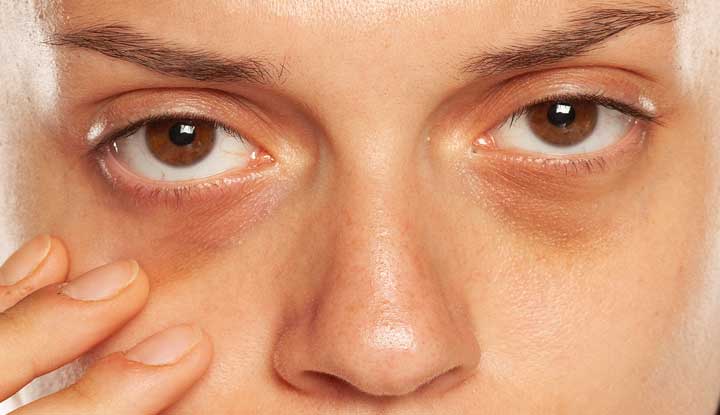
Many people worry when dark circles under their eyes persist despite getting enough sleep. However, experts point out that lack of sleep is not the only reason behind dark circles. Genetic factors, ageing and frequent rubbing of the eyes due to dust or allergies can also contribute to the problem. Nutritional deficiencies, particularly of iron, vitamin B12 and vitamin K, may be associated with anaemia and pale-looking skin, making the area under the eyes appear darker. Dehydration can also make the skin dry and sunken, potentially making dark circles more noticeable.
Experts recommend taking a few precautions to help manage the appearance of dark circles. Using sunscreen when stepping outdoors can help protect the delicate skin around the eyes from UV exposure, which may contribute to pigmentation. Vitamin C or vitamin K-containing eye creams and moisturisers may also be used to keep the area hydrated. Along with skincare, maintaining a balanced, nutritious diet and drinking adequate water are important for overall skin health.
Note: This information is provided for awareness purposes only. If you have any health issues or doubts, please consult a doctor and follow their advice accordingly.
















Comments (0)
No comments yet
Be the first to comment!