

Movies


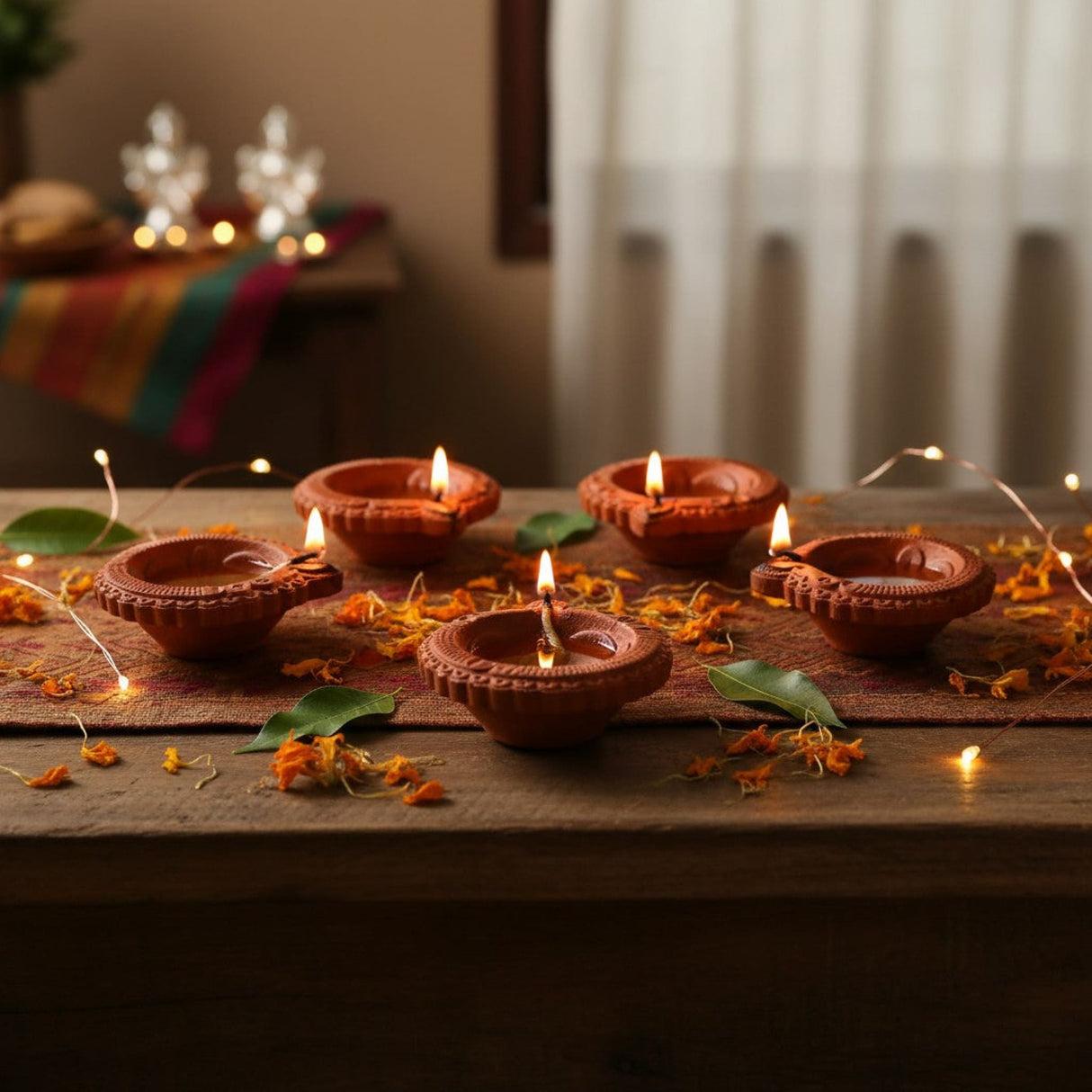
Diwali is celebrated with great enthusiasm across India, and lighting traditional clay diyas is an important part of the festivities. Many people purchase earthen lamps to decorate their homes and perform religious rituals. Markets offer a wide variety of diyas, ranging from simple traditional designs to colourful and decorative varieties. However, an attractive appearance does not always guarantee good quality. Poor-quality lamps may leak oil, become unstable or even crack when lit. Therefore, buyers should carefully inspect five important aspects before purchasing clay diyas. First, check each lamp for visible cracks, damaged edges and broken portions, as even tiny cracks can cause oil leakage. Second, ensure that the base is flat and even so that the diya remains stable when placed on the floor or in a prayer area. Third, choose properly fired clay lamps, as well-baked diyas are generally stronger and more durable. Avoid lamps that feel fragile or shed clay powder when handled.
Fourth, pay attention to the paint and decorative coatings. Although colourful and glittering diyas may look attractive, it is better to avoid excessive paint and glitter, particularly inside the portion where oil or ghee is poured. Natural, unpainted clay lamps are a preferable option. Fifth, check the clay's quality and porosity. A small water-absorption test may offer some indication of the material's condition, but it should not be treated as the only measure of quality. Examine the lamp's strength and overall finish as well. Experts recommend prioritising durability and stability over appearance when buying earthen lamps. Place the diyas on flat, heat-resistant surfaces and keep them away from curtains and other flammable materials while lighting them. Choosing good-quality clay diyas will help make your Diwali celebrations safer and more traditional.












Comments (0)
No comments yet
Be the first to comment!