Health


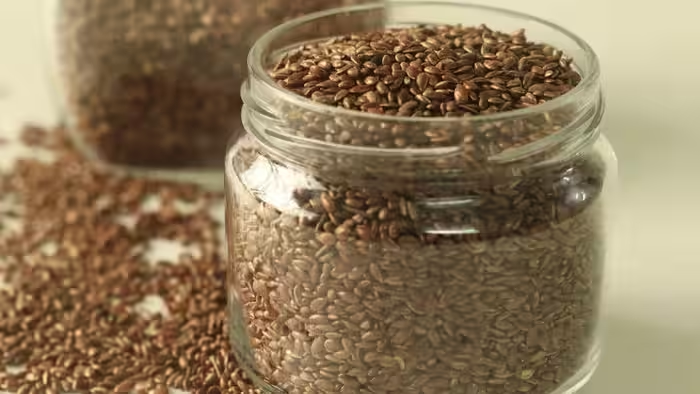
Modern lifestyles, unhealthy eating habits, physical inactivity and prolonged stress can contribute to cardiovascular risk factors such as high blood pressure and unhealthy cholesterol levels. Including nutrient-rich foods in a balanced diet is one way to support long-term health. Flax seeds are particularly notable for their plant-based omega-3 fatty acid, alpha-linolenic acid (ALA), along with dietary fibre and lignans. These nutrients may support cardiovascular health by helping maintain healthy cholesterol levels and blood pressure. However, claims that flax seeds can directly prevent heart attacks, heart blocks or strokes should not be treated as established medical facts.
For better digestion and nutrient availability, ground flax seeds are generally preferred over consuming whole seeds. They can be added to curd, buttermilk, smoothies, salads or breakfast foods. Around 1–2 tablespoons a day is commonly used as a dietary amount, but individual requirements can vary. Other sources of omega-3 include walnuts, chia seeds and soy foods, while oily fish such as salmon, tuna and mackerel provide different forms of omega-3. Doctors’ advice is to maintain an overall heart-healthy lifestyle, including a balanced diet, regular physical activity and appropriate medical monitoring when required.
Note: This article is intended for general awareness and does not replace professional medical advice, diagnosis or treatment. People with existing heart, blood pressure, cholesterol or other medical conditions should consult a qualified healthcare professional before making significant dietary changes.


















Comments (0)
No comments yet
Be the first to comment!