




Movies


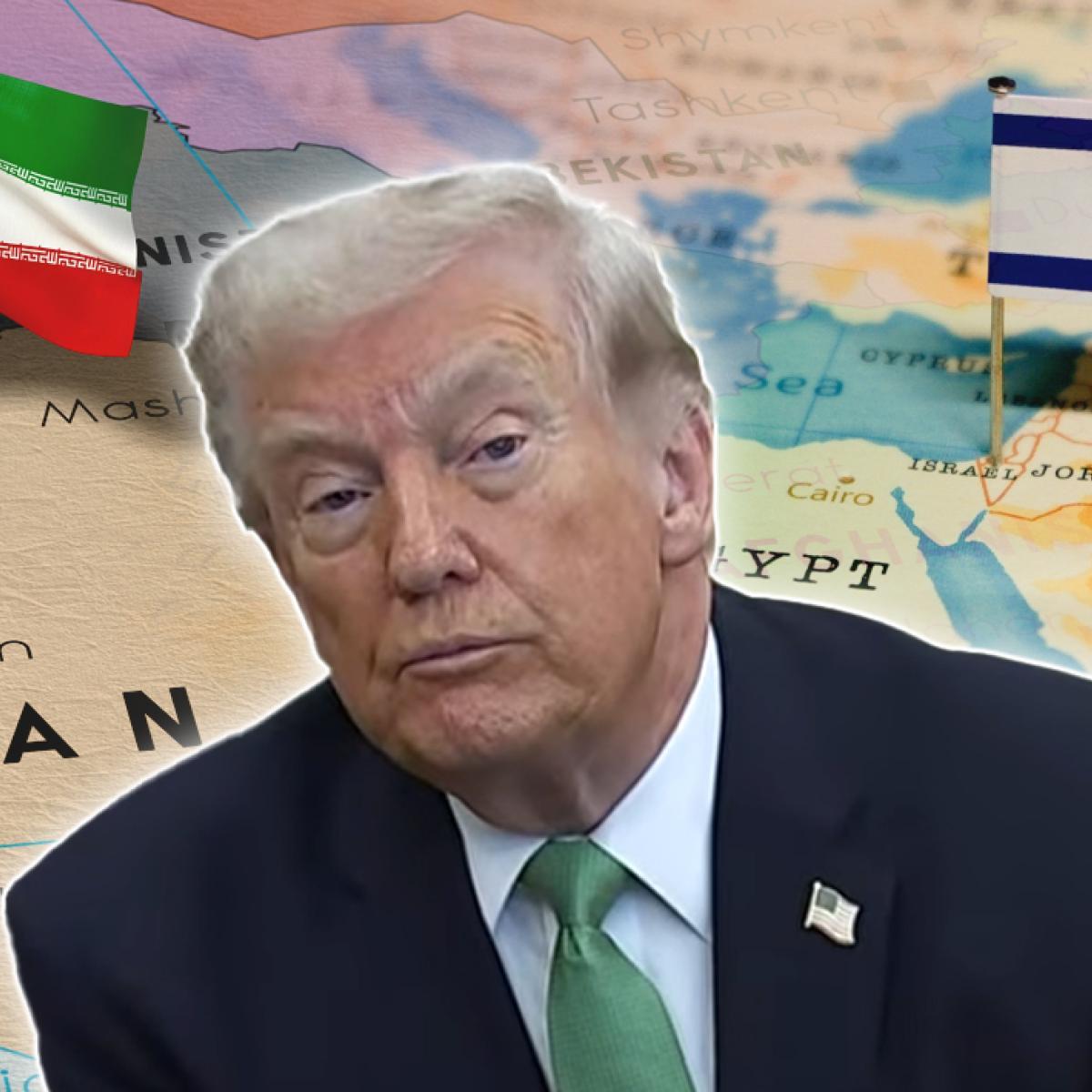
Since returning to the White House for a second term, Donald Trump has intensified his aggressive foreign policy moves through retaliatory tariffs and military interventions, triggering fresh geopolitical tensions across West Asia. His administration’s actions against Venezuela and growing confrontation with Iran, allegedly in the name of safeguarding US security and protecting dollar dominance in the oil trade, have significantly escalated instability in the region. Although Washington eventually moved towards a ceasefire after realizing Iran’s unconventional warfare capabilities, continued provocative rhetoric has weakened peace negotiations. Analysts believe the conflict has created severe uncertainty in the strategically crucial Strait of Hormuz, disrupting global crude oil supply chains and pushing economies worldwide into distress.
The sharp surge in oil prices has severely impacted transportation, agriculture, and industrial sectors across several countries. Brent crude prices have reportedly risen nearly 50 percent over the past few months due to tensions in West Asia, which accounts for a major share of global oil production and exports. Nations including Sri Lanka, Bangladesh, Pakistan, and the Philippines have introduced austerity measures to control fuel consumption and manage economic pressure. India is also facing the impact, with rising import costs weakening the rupee and reducing foreign exchange reserves. Experts have warned that prolonged instability could further strain the global economy. Prime Minister Narendra Modi has urged citizens to conserve fuel and avoid unnecessary gold purchases as a precautionary measure. Economists fear the current crisis could surpass the economic damage seen during the 1970s oil shocks and the Russia-Ukraine energy crisis unless diplomatic efforts restore stability in West Asia.












Comments (0)
No comments yet
Be the first to comment!