





Shows


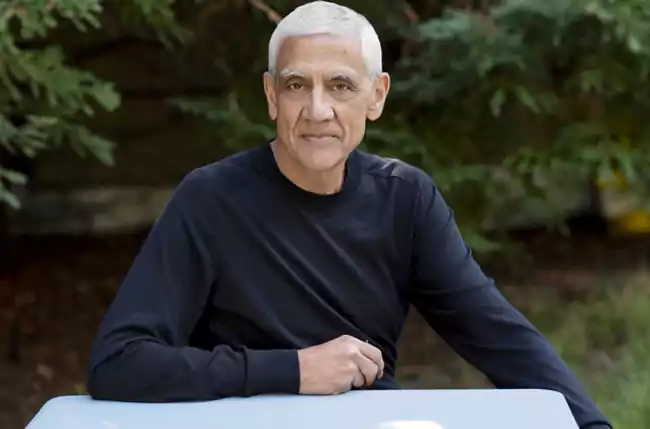
Artificial Intelligence (AI) is rapidly expanding across sectors, driving transformative changes worldwide. Amid growing concerns about its impact on employment, noted billionaire and venture capitalist Vinod Khosla has made significant observations. He predicted that within the next five years, IT services and BPO sectors could witness substantial decline. Furthermore, he cautioned that over the next 15 years, many skill-based professions may gradually disappear due to the growing influence of AI.
Speaking to a national organization ahead of the upcoming AI Impact Summit 2026 in India, Khosla stated that AI is poised to have a profound impact on the global economy. He emphasized that the structure of employment will undergo fundamental changes. The increasing adoption of robots and automation could significantly reduce operational costs, potentially lowering inflation. As a result, living standards may improve over time, he noted.
Khosla also projected that within the next 15 to 20 years, several services could become either highly affordable or even free, particularly in sectors such as education and healthcare, making them more accessible to all. He suggested that focusing solely on job creation may not be a sustainable long-term strategy, as AI could perform many tasks more efficiently than humans. According to him, the future will be shaped by collaboration between humans and AI rather than competition. He further highlighted that India has the potential to evolve beyond being merely an IT services hub and emerge as a leading exporter of AI-driven products.
Meanwhile, the India AI Summit is scheduled to be held from February 16th to the 20th at Bharat Mandapam in New Delhi. The summit aims to provide a platform for various countries to define their AI agendas. Showcasing India’s talent, expanding digital public infrastructure and strengthening the country’s growing startup ecosystem are among the key objectives of the event. It was in this context that Vinod Khosla shared his insights on the future of AI and its economic implications.












Comments (0)
No comments yet
Be the first to comment!