Politics

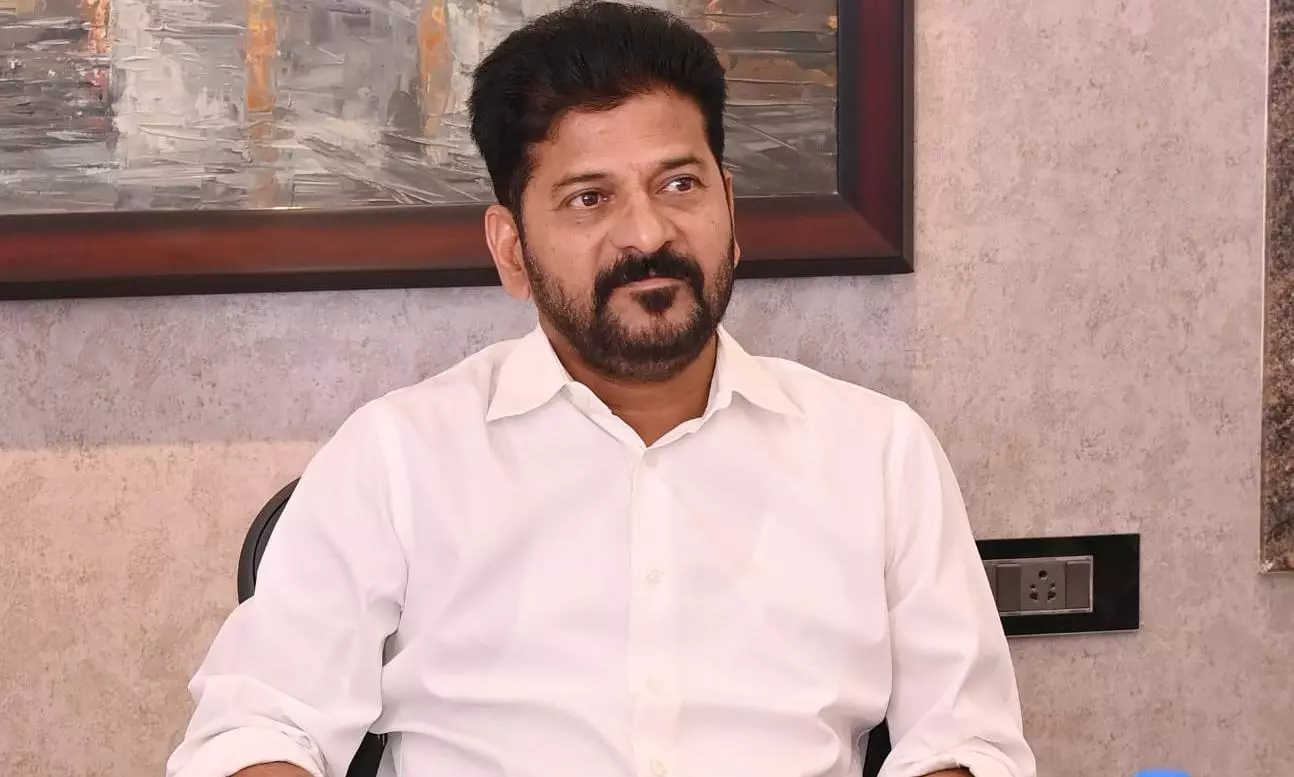
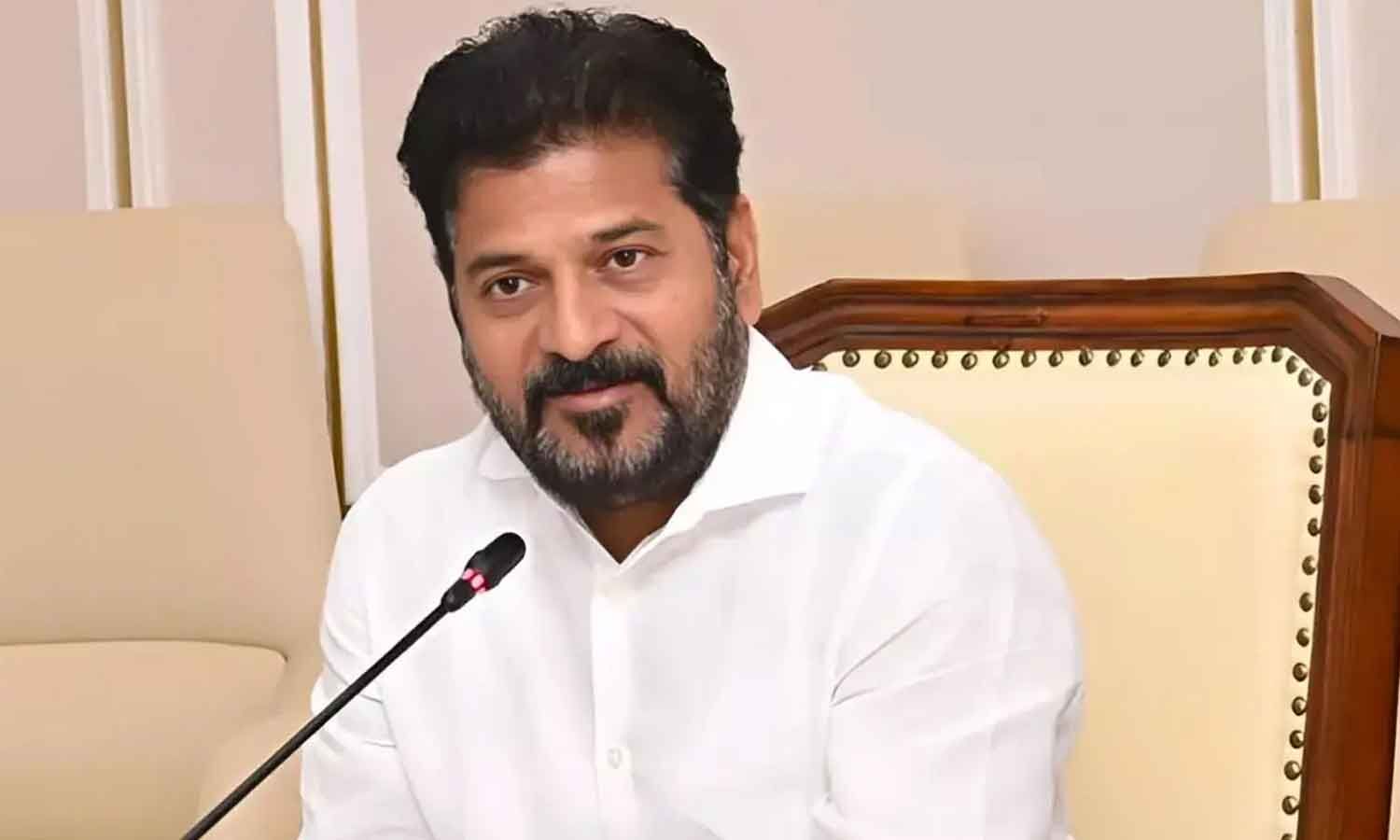
The Telangana government is planning to introduce smart cards across the State, with the first phase focused on women beneficiaries under the Mahalakshmi free bus travel scheme. The move is being seen as a far-sighted initiative of Chief Minister Revanth Reddy, aimed at strengthening digital governance and improving the efficiency of public transport services.
Deputy Chief Minister Mallu Bhatti Vikramarka recently announced that special travel cards would be issued to women who are availing free travel in RTC buses. Officials said the government has entered into an understanding with the Centre for Good Governance to support the technology backbone for the project.
These smart cards, officially referred to as Common Mobility Cards (CMC), are expected to play a crucial role in streamlining the Mahalakshmi scheme. The Chief Minister’s vision is to make the CMC a single digital platform that can be used not only for RTC buses but also for Metro Rail and MMTS services in the future. Eventually, the card may be linked with other government services as well.
The Mahalakshmi scheme has witnessed overwhelming demand, with around 255 crore free journeys worth nearly ₹8,500 crore recorded so far. While the scheme has significantly boosted women’s mobility, it has also created operational challenges. Conductors have been facing issues such as unclear Aadhaar photographs, use of fake Aadhaar cards by non-residents, and frequent disputes during ticket checks. These difficulties have prompted the government to look for a more robust and tamper-proof solution.
The CMC is not just a travel pass but a digital mobility wallet with identity authentication. Women beneficiaries will be able to use it for free travel on RTC services such as Palle Velugu and Express buses, eliminating the need for Aadhaar-based verification. The same card can also be topped up with money for paid travel on Metro and MMTS services.
Officials say the introduction of CMCs will help build a data-driven transport system. Every journey will be digitally recorded, allowing authorities to understand travel patterns, identify high-demand routes, and deploy buses more efficiently. This is expected to reduce operational waste and improve overall service quality.
At present, there is no precise data on route-wise travel under the Mahalakshmi scheme, and there have been allegations of excessive zero-ticket issuance in some areas. With CMCs, every trip will be traceable, making the system more transparent and accountable. Starting with women and later extending the cards to all citizens could potentially redefine public transport and digital governance in Telangana.
Officials believe that if implemented effectively, the Common Mobility Card could emerge as a major game-changer for the State’s transport ecosystem.






Comments (0)
No comments yet
Be the first to comment!