
Movies


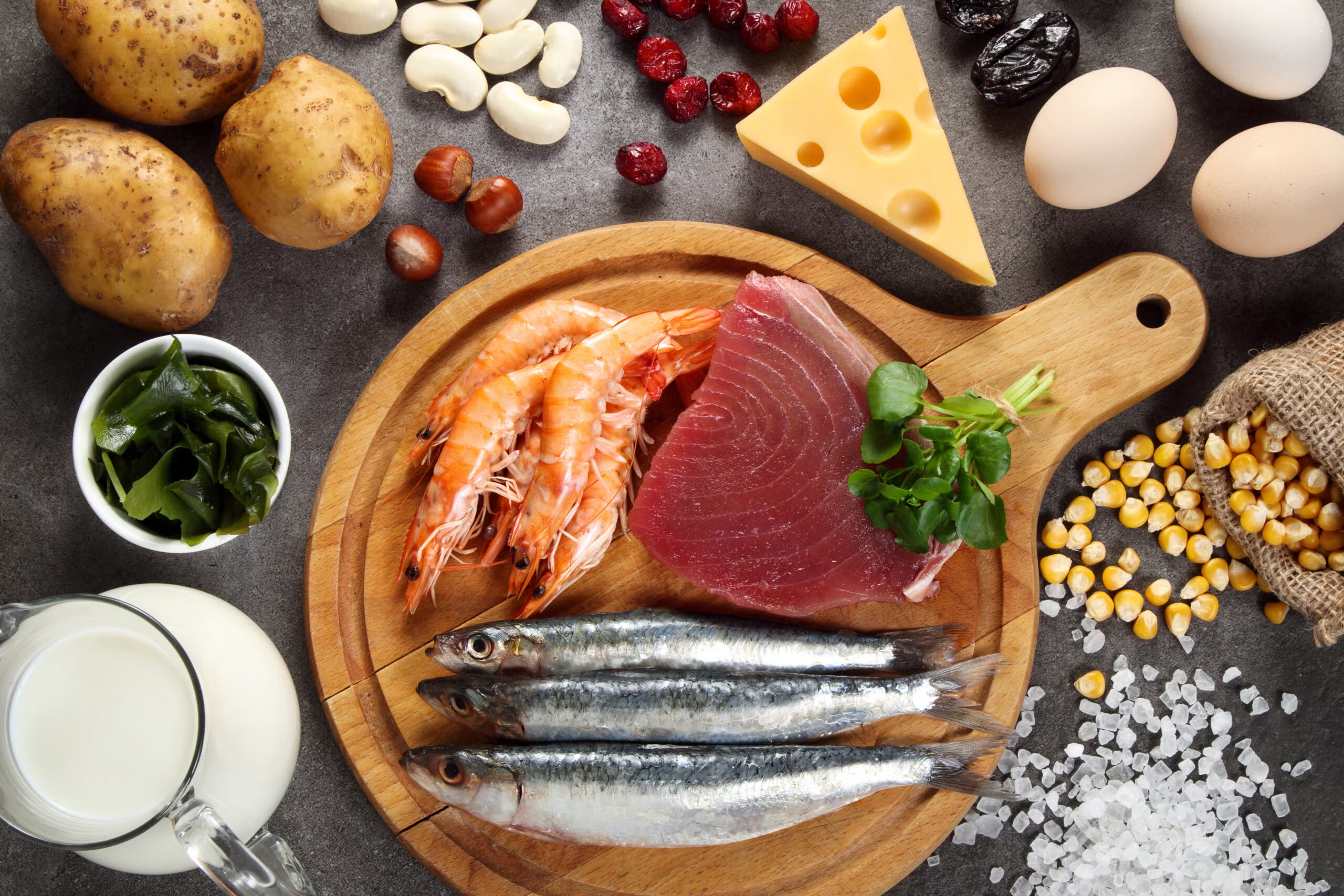
Iodine is an essential mineral required for the proper functioning of the thyroid gland. General nutritional guidelines recommend around 150 micrograms of iodine a day for adults, while the requirement increases during pregnancy and breastfeeding. Although iodised salt is a major source, iodine can also be obtained from foods such as seaweed, cod, shrimp, tuna, milk, yoghurt, cheese and eggs. Seaweed, particularly kombu, can contain very high amounts of iodine, so it should be consumed in moderation.
Experts recommend meeting iodine requirements through a balanced diet rather than consuming excessive amounts. A large egg may provide around 24 micrograms of iodine, while prunes and lima beans also contain smaller amounts. However, iodine levels in foods can vary depending on factors such as production methods, soil, water and animal feed. Excessive iodine intake is also undesirable, and iodine supplements should not be taken without medical advice. People with thyroid conditions should consult a doctor or dietitian before making significant changes to their dietary iodine intake.
Note: This information is provided for awareness purposes only. If you have any health issues or doubts, please consult a doctor and follow their advice accordingly.













Comments (0)
No comments yet
Be the first to comment!