




Sports


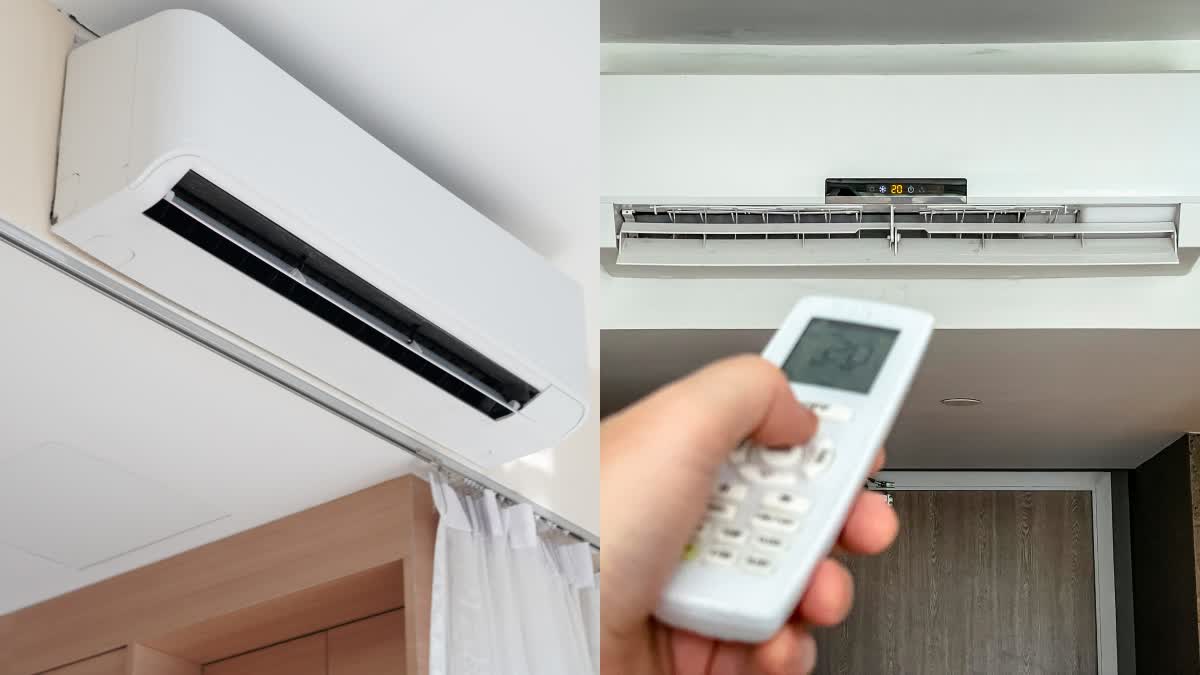
In recent times, weather conditions across many parts of the country have been changing rapidly, with temperatures rising significantly. In several regions, temperatures have crossed 40°C. Alongside intense heat, there are also fluctuations such as mild cold spells and increased humidity. To cope with these conditions, people are increasingly relying on air conditioners. Spending extended hours in air-conditioned environments, both at home and in offices, has become common. However, the constant variation between indoor and outdoor temperatures can disrupt the body’s natural balance. The body requires time to adjust to such changes, failing which it may lead to health-related issues.
According to medical experts, prolonged exposure to air-conditioned environments can cause problems such as dry throat, dry skin and eye irritation. Symptoms like headaches, fatigue and dizziness are also commonly reported. Continuous exposure to cold air may lead to muscle stiffness and joint pain. Some individuals may experience frequent colds and coughs and a weakened immune system can increase susceptibility to minor illnesses. Children, the elderly and individuals with pre-existing health conditions are particularly vulnerable. Those with respiratory issues, allergies or asthma need to take extra precautions. Additionally, people who sit for long hours in offices or consume less water are also at higher risk of experiencing these effects.
Therefore, it is important to use air conditioning in a balanced manner. Avoid setting the temperature too low and maintain a level that is comfortable for the body. Take breaks from air-conditioned spaces and spend some time in a natural environment to help the body adjust. Ensure proper ventilation in indoor spaces to allow fresh air circulation. Staying well-hydrated by drinking sufficient water, engaging in light exercise or yoga and maintaining a balanced diet can help support overall health. If any discomfort arises, it should not be ignored and timely action should be taken.
Note: This information is provided for awareness purposes only and should not be considered a substitute for medical advice, diagnosis or treatment. If you experience any health issues, please consult a qualified medical professional promptly.














Comments (0)
No comments yet
Be the first to comment!