
Movies


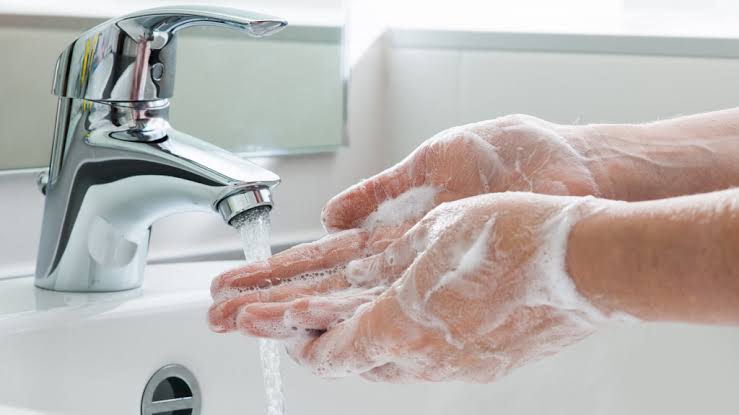
Washing hands may seem like a simple daily habit, but it is one of the most effective ways to prevent diseases. Health experts say proper hand hygiene can significantly reduce the risk of infections such as the common cold, flu, diarrhoea, and stomach-related illnesses. Germs easily spread through frequently touched objects like mobile phones, money, door handles, and public surfaces.
According to the World Health Organization (WHO), washing hands with soap at the right time and in the right way helps prevent the spread of infectious diseases. Hands should be scrubbed with soap for at least 20 seconds, covering the palms, back of the hands, fingers, thumbs, and under the nails before rinsing with clean running water. If soap and water are unavailable, a hand sanitizer containing at least 60% alcohol can be used.
Experts recommend washing hands before eating or cooking, after using the restroom, after coughing or sneezing, after touching garbage or pets, after caring for a sick person, and immediately after returning home. Teaching children proper handwashing habits from an early age can help protect them from infections. Common mistakes include washing with only water, not cleaning under the nails, using dirty towels, or washing hands for too little time.
Note: Doctors say that washing your hands properly with soap can help prevent many infectious diseases. This simple daily habit can provide strong protection for your health and the well being of your family.














Comments (0)
No comments yet
Be the first to comment!