

General


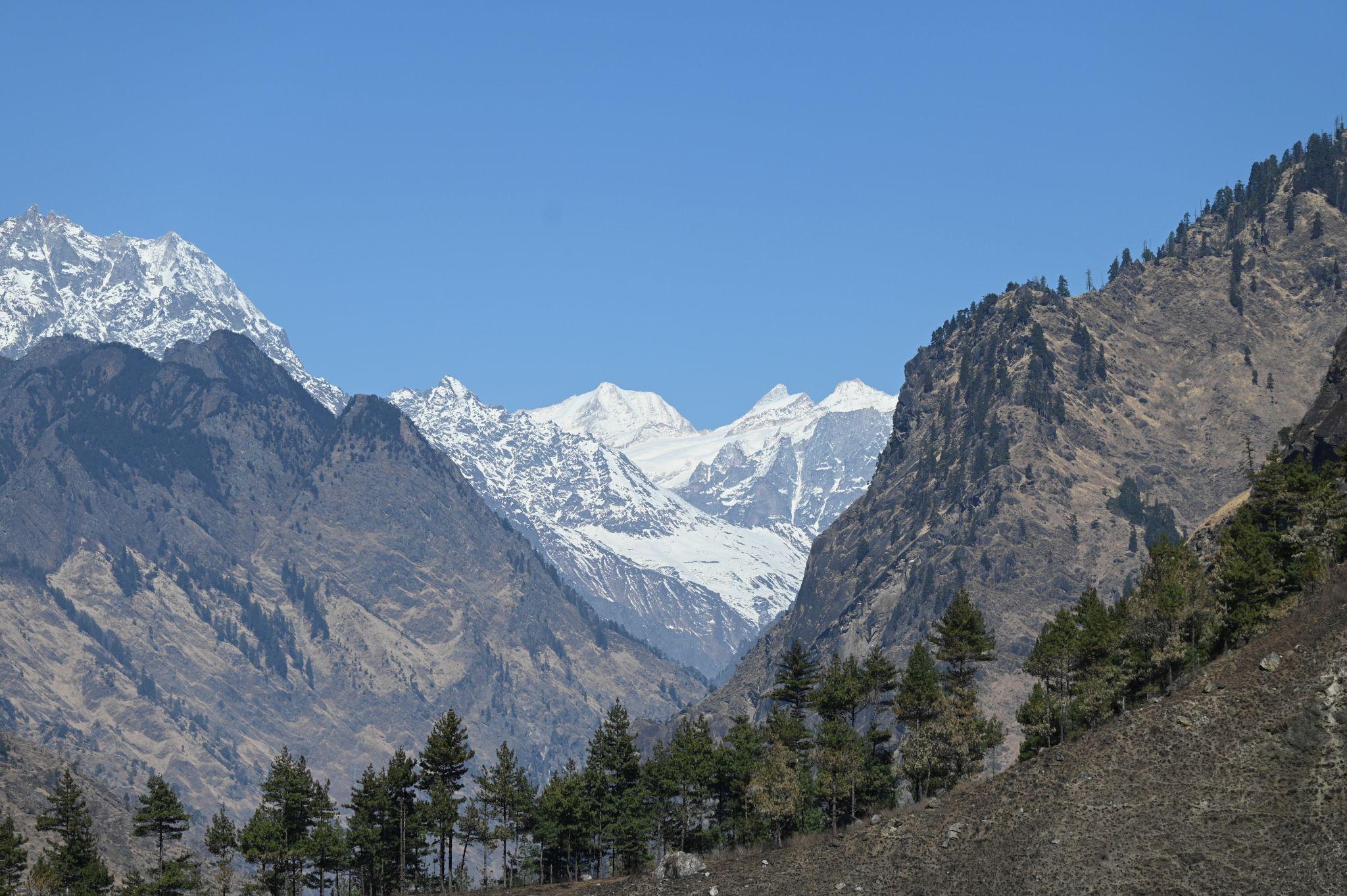
A recent scientific study has raised concerns over the growing presence of toxic gases in the Himalayan region. Researchers have found that concentrations of benzene, a known carcinogenic pollutant, have reached alarming levels in certain areas. The findings have surprised environmental experts, as the Himalayas have long been considered one of the world’s most pristine natural ecosystems. Scientists warn that prolonged exposure to benzene can pose serious health risks, including an increased likelihood of cancer and respiratory illnesses.
According to the study, rapid tourism growth, large-scale infrastructure projects, expanding transportation networks, and other human activities are contributing significantly to the deterioration of air quality in the Himalayan belt. Experts believe that if immediate corrective measures are not implemented, the ecological balance of the region could face severe challenges in the coming years. The study highlights the urgent need for sustainable tourism practices and stricter environmental regulations to protect the fragile Himalayan ecosystem.

















Comments (0)
No comments yet
Be the first to comment!