
Shows


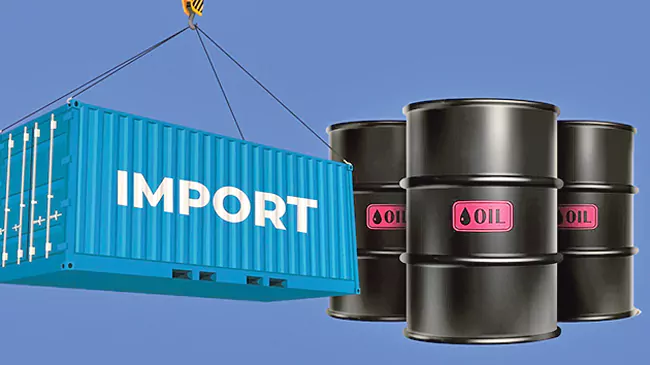
Driven by the impact of the conflict in West Asia, crude oil prices have surged significantly, placing increasing pressure on the national economy. Prices, which stood below $70 per barrel prior to the conflict, have now crossed the $100 mark. This rise in prices is having a severe impact, given that approximately 89 percent of the country's oil requirements and 51 percent of its natural gas needs are met through imports. Experts warn that the strengthening of the dollar against the weakening rupee could lead to a rise in commodity prices and a slowdown in economic growth.
Declining domestic production is further complicating the situation. For the eleventh consecutive year, oil production has fallen, while natural gas production has also declined for the second consecutive year. Depleting reserves in aging oil fields and shortcomings in the exploration of new fields are cited as the primary reasons for this trend. According to the latest statistics, oil production dropped by 2.5 percent to reach 28 million metric tonnes, while gas production also witnessed a significant decline. In particular, the failure of certain key fields to yield production at expected levels has had a notable impact.
Although the government has implemented various reforms to boost oil exploration, the anticipated results have yet to materialize. Despite measures such as simplifying regulations, streamlining environmental clearances, and improving data accessibility, foreign companies have shown limited interest. Against this backdrop, the government is continuing to import oil from Russia at concessional rates while simultaneously focusing its efforts on the development of renewable energy sources.















Comments (0)
No comments yet
Be the first to comment!