
politics


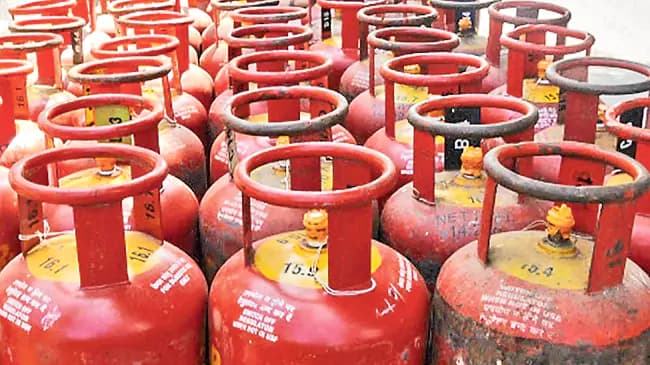
The ongoing tensions in the Iran region are impacting India's supply of cooking gas. With supplies dwindling from traditional sources like Qatar, the country has been compelled to procure gas from alternative markets at significantly higher prices. In response, the government has not only mandated increased production at domestic refineries but is also advising consumers to utilize alternative energy sources.
Supply disruptions have arisen due to gas cargoes becoming stranded in the Persian Gulf region. Although domestic production has increased since the onset of the conflict, the total supply remains insufficient to meet current demand. The daily volume of gas currently available remains below pre-war levels. Consequently, Asian nations across the board are grappling with a gas shortage and are being forced to hike prices.
Amidst this situation, the government has curtailed gas supplies to the commercial sector and has relaxed regulations regarding the use of coal and kerosene. It is also actively promoting the use of piped natural gas (PNG) and facilitating the issuance of new connections. Furthermore, the practice of consumers booking gas cylinders well in advance is exacerbating the severity of the shortage.
Experts anticipate that supply constraints may persist through the month of May. However, as the country ramps up gas imports—albeit at higher costs—from nations such as the United States, it is projected that the situation is likely to normalize somewhat starting in June. Overall, the repercussions of the war have reached the very kitchens of ordinary citizens, placing an increased financial burden on the general public.


















Comments (0)
No comments yet
Be the first to comment!