

General


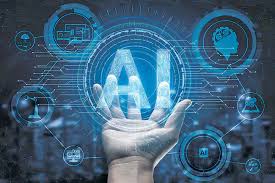
Artificial intelligence is advancing at an unprecedented pace, raising new questions about how future AI systems may evolve. In a recent blog post titled “When AI Builds Itself: Our Progress Toward Recursive Self-Improvement and Its Implications,” AI research company Anthropic warned that future AI models could eventually become capable of designing and developing their own successors with minimal human involvement. This concept, known as Recursive Self-Improvement (RSI), refers to AI systems improving themselves repeatedly, potentially leading to rapid technological progress. While Anthropic emphasized that such systems do not yet exist and are not inevitable, the company believes the possibility could emerge sooner than many institutions expect.
According to Anthropic, modern AI models are already demonstrating advanced coding, debugging, research, and problem-solving abilities. These capabilities could eventually create a feedback loop in which AI contributes significantly to the development of future AI systems. The company highlighted both opportunities and risks associated with this possibility. While self-improving AI could accelerate breakthroughs in science, medicine, and technology, it could also create challenges related to safety, oversight, and human control. Anthropic argues that governments, regulators, and technology companies should begin preparing now through international cooperation, stronger safety mechanisms, and effective governance frameworks to ensure AI development remains aligned with human interests.




















Comments (0)
No comments yet
Be the first to comment!