
General


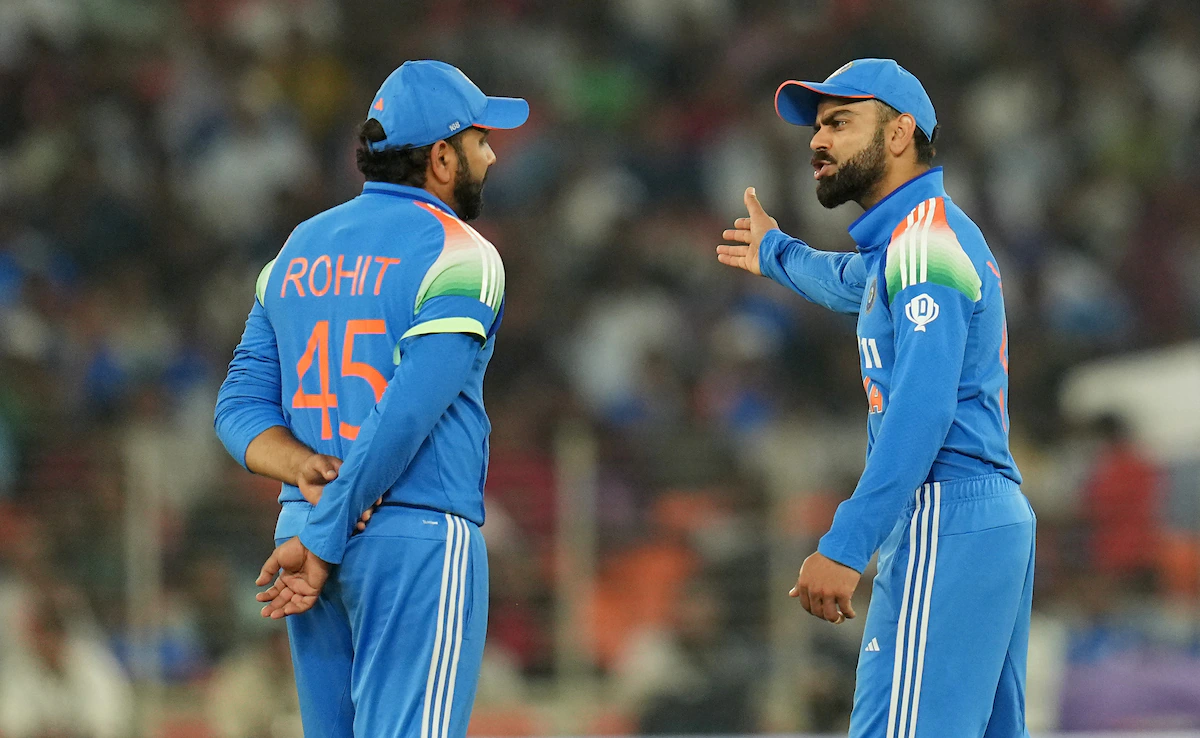
A major shift appears to be underway in Indian cricket. Even as Rohit Sharma and Virat Kohli were named in India’s squad for the Australia ODI tour, both stalwarts face an uncertain future in the 50-over format.
The announcement of Shubman Gill as India’s new ODI captain on Saturday took many by surprise. Fans and pundits were left wondering what Rohit had done to lose the captaincy, especially after leading India to the Champions Trophy title earlier this year.
While chief selector Ajit Agarkar provided a brief explanation, his comments suggested that the selectors and team management were looking beyond Rohit and Kohli as they began charting the roadmap to the 2027 ODI World Cup.
According to a report by the Times of India, informal yet significant discussions within the BCCI, the selection committee, and team management have shaped a long-term vision for the 2027 World Cup.
The plan revolves around building a younger leadership group, with Shubman Gill identified as the central figure. Many insiders reportedly felt that it was time to transition leadership while senior players are still around to mentor the next generation.
The biggest dilemma, however, was how to manage Rohit Sharma’s role. The 38-year-old had not only led India to a major ICC title but was also in good batting form. Some members argued that Rohit should continue until 2026, ensuring stability, while others insisted that handing the reins to Gill now would provide India enough time to prepare for the next global tournament.
Despite Rohit meeting all fitness benchmarks, his lack of recent match exposure became a critical factor. As Agarkar subtly noted in his press conference, Rohit’s “limited game-time” was a concern.
His last competitive outing was for Mumbai Indians in the IPL, followed by the Champions Trophy final — leaving a long gap without international cricket. The selectors feared that such sporadic participation might not serve the team’s consistency goals heading into a new cycle.
Sources quoted in the report claimed that the decision wasn’t unanimous initially. Several senior officials were hesitant to move on from Rohit, given his impressive captaincy record and experience in crunch situations.
However, as discussions progressed, the divide began to narrow. A majority of the top brass agreed that the transition was inevitable and that delaying it would only complicate matters further.
What raised eyebrows within the cricket community was the fact that both Rohit Sharma (38) and Virat Kohli (36) were reportedly evaluated on the same parameters — age, future fitness, and long-term value in the ODI format.
As per the TOI report, a senior BCCI official was quoted saying:
“If we keep dragging things, it will only get complicated. And with two players — one 38 and the other 36 — we can’t make early bets. Yes, even younger players can lose form, but it’s the safer call to plan ahead.”
While both stalwarts remain part of the upcoming three-match ODI series against Australia, insiders believe this could be a transitional phase where the management observes how the team performs under Gill’s leadership.
Behind closed doors, the decision wasn’t easy. Rohit has been one of India’s most successful white-ball captains, while Kohli remains one of the finest ODI batsmen ever. According to sources, both players were informed in advance, with Ajit Agarkar and coach Gautam Gambhir emphasizing transparency and respect.
The management’s goal, reportedly, is to maintain harmony in the dressing room while preparing the next generation for leadership responsibilities.
The coming months could define the future of two modern-day greats. If Rohit and Kohli continue to perform and stay fit, they might still feature in key assignments. But for now, the BCCI’s long-term roadmap clearly tilts toward youth, with the 2027 World Cup cycle being the focus.







Comments (1)
excellent