
news


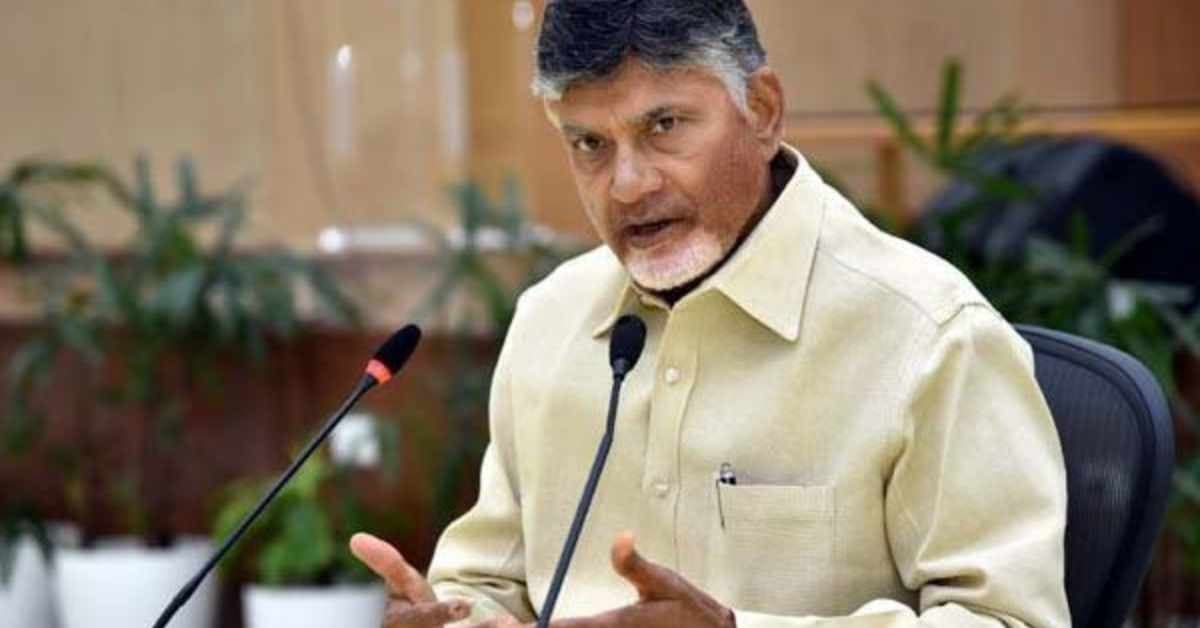
The Chief Minister stated that if water security is achieved in the state of Amaravati, development in other sectors will also be possible. He emphasized that making the state drought-free is the goal of the people’s government. He directed that groundwater levels should be maintained at 6 meters depth before the onset of summer and at 3 meters depth by the end of the monsoon season. He conducted a teleconference with irrigation associations, Minister Nimmala Ramanaidu, public representatives, and senior officials of various departments regarding the Water Security–Irrigation Associations Responsibility Program to be implemented across the state starting from the 6th of this month. He instructed that the Irrigation, Agriculture, Panchayat Raj, Forest and Animal Husbandry departments work in coordination to advance water conservation initiatives. He announced a 100-day action plan with water conservation and protection of water resources as the core agenda. He directed irrigation associations to prepare plans for centralized execution of action plans and assigned key responsibilities to the 60,000 members of irrigation associations across the state. He called for transforming water security into a public movement by actively involving the people.
Accordingly, he announced a four-phase action plan from April 6 to July 14. From April 6 to 15, identification of works will be carried out; from April 16 to 20, administrative approvals will be granted; from April 21 to July 9, the execution of works will take place; and from July 10 to 14, reports on completed works will be submitted. He emphasized water conservation as a priority and urged efficient utilization of every drop of water. He stressed the need for focused attention on water security from the state level to the grassroots level. He clarified that water security is not merely a government program but a collective responsibility. The objective is to conserve every drop of water, provide irrigation to every acre and ensure security for every farmer. He called for implementation through coordination among various departments, irrigation associations and village panchayats. At the state level, a Steering Committee led by the Chief Secretary will monitor policy matters, while at the district and field levels, works will be overseen under the leadership of the Collector and Sarpanch. He noted that groundwater scarcity has been identified in 5,697 villages across the state and set a target to fill all tanks and raise groundwater levels by at least 1.5 meters. He advised storing water, conserving it, implementing micro-irrigation and ensuring the efficient utilization of every drop of water.
















Comments (0)
No comments yet
Be the first to comment!