
business


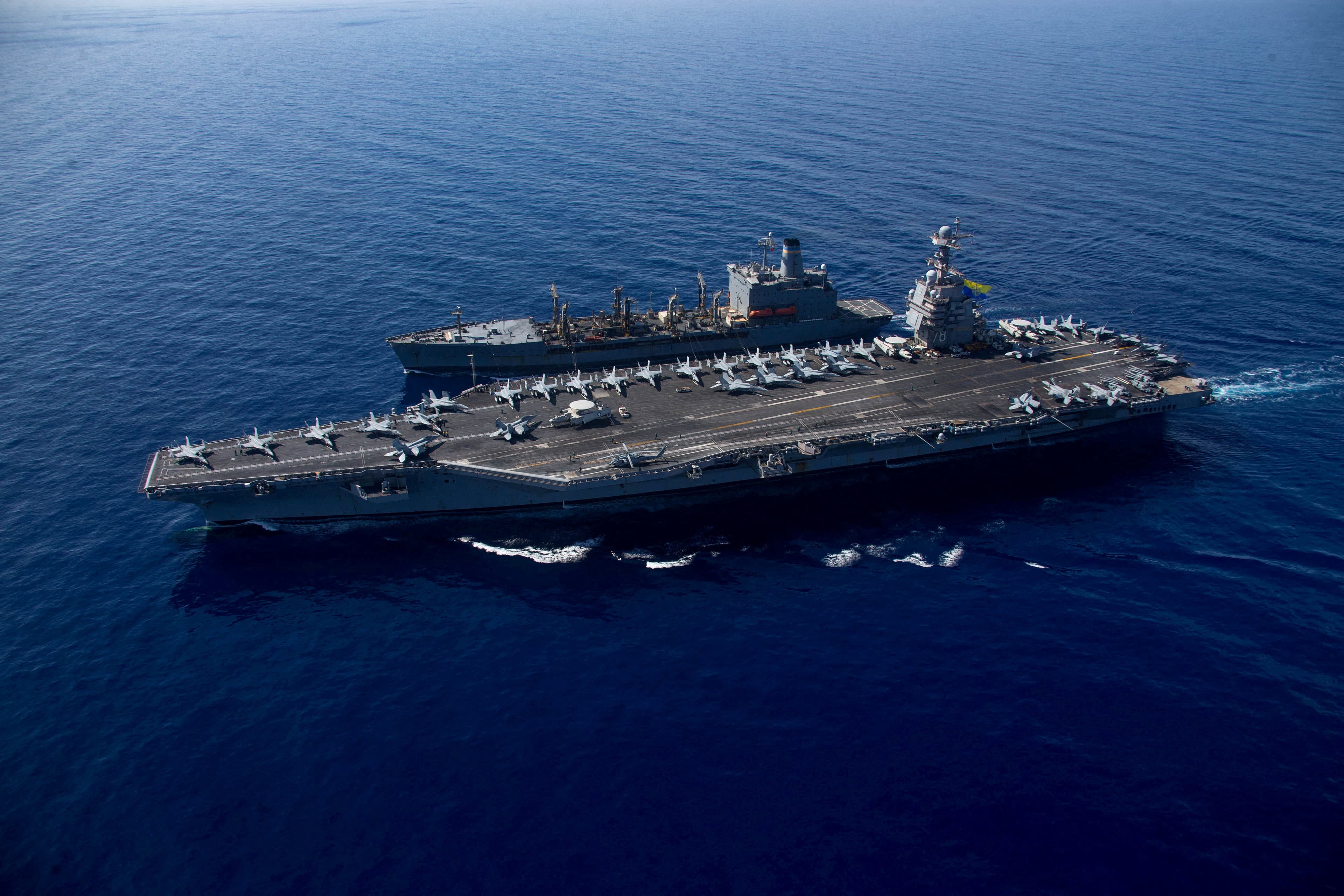
The deadlock over proposed peace talks between the United States and Iran continues even as Washington expresses optimism about a possible ceasefire. Contradicting its diplomatic stance, the U.S. has intensified troop deployment in the Middle East, raising fresh concerns. Iran has категорically denied participating in any ceasefire negotiations, while Israel continues heavy airstrikes across Tehran and other Iranian cities. In retaliation, Iran launched missile attacks targeting Israel and Gulf nations, including the UAE, where one Indian national was killed and others injured due to falling debris. Meanwhile, the United Nations Secretary-General António Guterres warned that the situation is “spiraling out of control” and urged all sides to pursue diplomatic solutions.
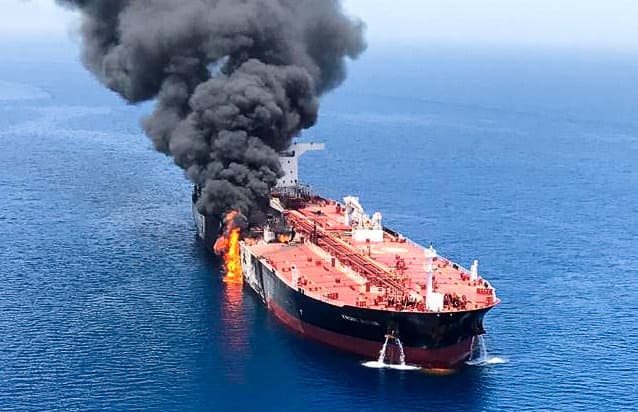
In a significant development, Iran announced that it would allow commercial shipping through the Strait of Hormuz for India and four other friendly nations—China, Russia, Pakistan, and Iraq—bringing major relief to India’s trade and energy supply chains. However, reports suggest that Iran’s Islamic Revolutionary Guard Corps (IRGC) has introduced strict monitoring measures, including controlled transit corridors for vessels. On the military front, the U.S. has deployed around 2,000 troops from the 82nd Airborne Division, along with additional naval groups to the region. Israeli Prime Minister Benjamin Netanyahu confirmed the killing of senior IRGC naval commander Ali Reza Tangsiri in recent strikes. As tensions rise, fears of prolonged conflict threatening global stability, trade routes, and energy markets continue to grow.

.webp&w=3840&q=75)














Comments (0)
No comments yet
Be the first to comment!