
business


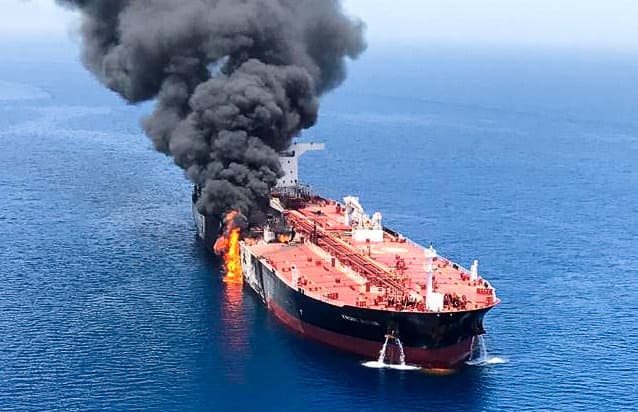
The ongoing conflict between Israel, Iran, and the United States is triggering widespread economic concerns for India, particularly affecting oil and gas imports, aviation, tourism, and remittances. Economists warn that disruptions in the Gulf region—home to millions of Indian workers—could significantly impact the steady inflow of remittances, which are a crucial pillar of India’s economy. India remains the world’s largest recipient of remittances, with inflows estimated at ₹11.6 lakh crore in 2024–25, contributing about 3.5% to the GDP. Nearly 38% of these funds originate from Gulf nations such as the UAE, Saudi Arabia, Qatar, Kuwait, Oman, and Bahrain, making the region highly significant for India’s financial stability.
If the conflict prolongs, economic activity in Gulf countries may slow down, leading to job losses, wage cuts, and return migration of Indian workers. Reports indicate that nearly 1.8 million Indians have already returned home since the escalation began. This could disrupt household incomes, increase financial stress, and weaken consumption patterns in key states like Kerala, Maharashtra, Tamil Nadu, Telangana, and Karnataka. Additionally, rising crude oil prices—especially if they cross $100 per barrel—could strain India’s foreign exchange reserves, widen the trade deficit, and fuel inflation, ultimately burdening the common man. Experts stress the need for global cooperation and diplomatic intervention, with India expected to play a key role in stabilizing the situation.

















Comments (0)
No comments yet
Be the first to comment!