

OTT


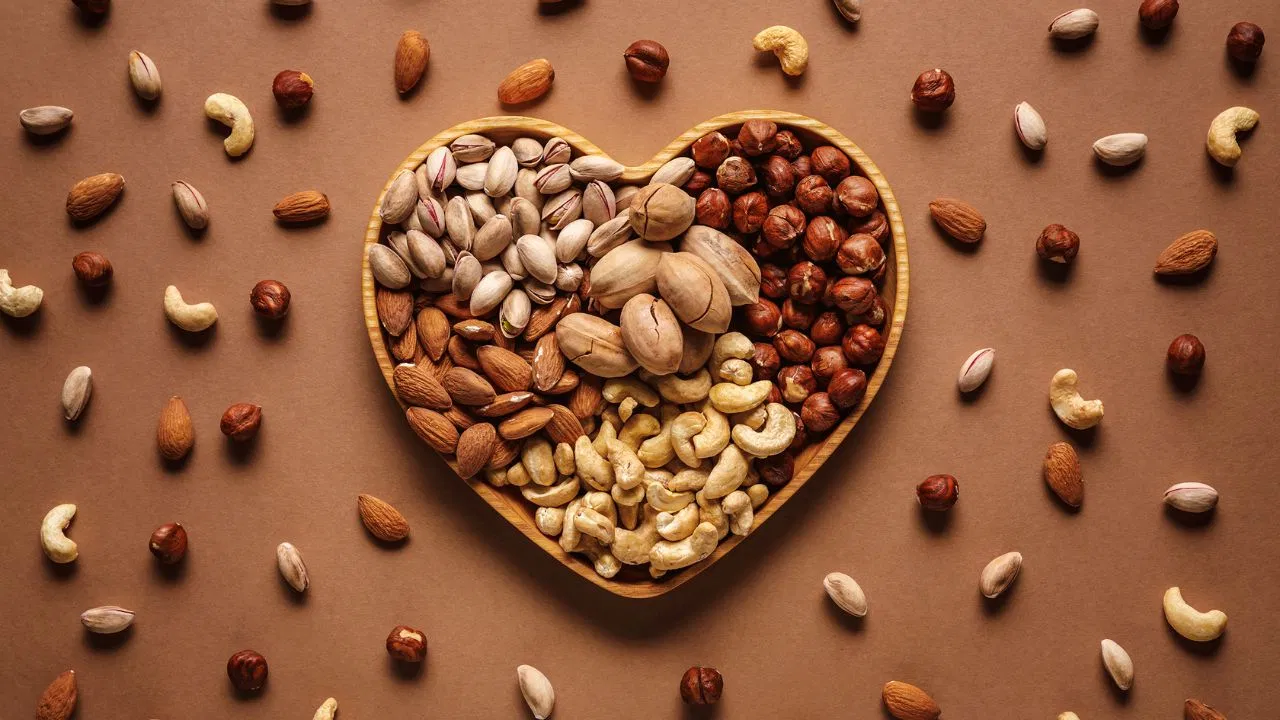
Dried fruits are generally considered a healthy snack. However, when it comes to heart health, not all types of dried fruits provide the same benefits. The type of dried fruits we choose, the quantity we consume, and the way they are processed all have an impact on cardiovascular health. Therefore, experts recommend that individuals with heart-related conditions make certain adjustments in how they consume dried fruits. In particular, greater emphasis should be placed on almonds, walnuts, and pistachios. These are rich in healthy fats, dietary fiber and antioxidants, which help improve heart function, maintain the health of blood vessels and reduce inflammation in the body. Including these dried fruits as part of a daily diet can contribute to long-term heart health benefits.
The unsaturated fats present in dried fruits such as almonds and walnuts play a crucial role in maintaining balanced cholesterol levels in the body. They help reduce bad cholesterol (LDL) while increasing good cholesterol (HDL). Additionally, naturally dried fruits like raisins and figs can be consumed in limited quantities, as they contain fiber and micronutrients that aid digestion and help regulate blood pressure. However, it is advisable to avoid commercially available dried fruits that are salted or coated with sugar, as excessive salt can increase blood pressure and place additional strain on the heart. It is best to consume dried fruits in moderation, ideally not exceeding a handful. Choosing natural, minimally processed dried fruits ensures better protection for heart health.
Note: This information is intended for general awareness only and should not be considered medical advice. Please consult a doctor before making any changes to your diet.

















Comments (0)
No comments yet
Be the first to comment!