
General


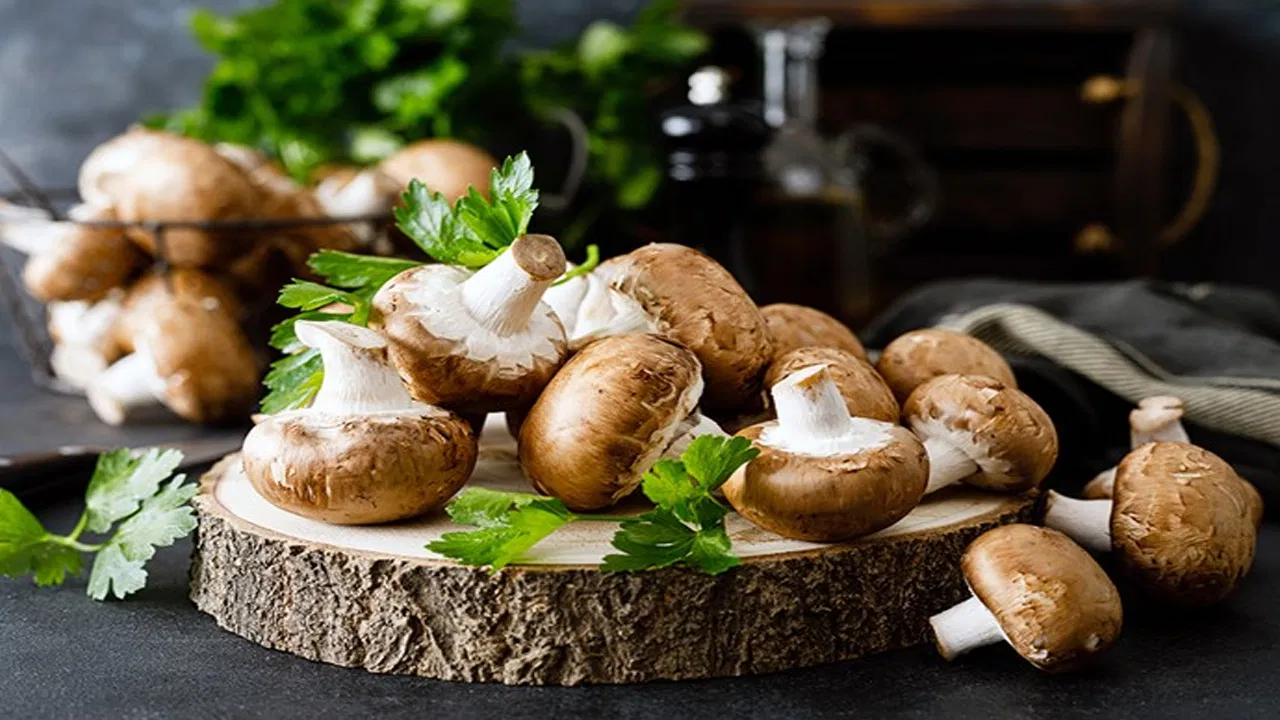
Recently, mushrooms have gained popularity as a healthy food option. They are easy to digest, delicious and rich in protein and vitamins. Mushrooms are widely used in various dishes such as soups, curries, pizzas and salads. However, some people experience allergic reactions after consuming mushrooms. Let’s explore why this happens and who should avoid them.
Individuals with food allergies, weakened immunity, or sensitive skin are more prone to mushroom allergies. Certain proteins present in mushrooms can trigger fungal-related allergic reactions. In sensitive individuals, the body perceives these proteins as harmful and releases chemicals like histamine, leading to symptoms such as rashes, itching, swelling and difficulty in breathing. Both cultivated and wild mushrooms contain proteins that can cause allergies, with wild mushrooms generally having a higher protein concentration. People with known food allergies should avoid consuming mushrooms, as doing otherwise may lead to health complications.
Additionally, individuals with diabetes, low immunity, digestive issues like gas, constipation or indigestion may experience worsened symptoms, including infections or allergic reactions, if they consume mushrooms in excess. Ayurvedic experts also advise that mushrooms should be avoided during pregnancy and lactation to ensure safety.
Note: This information is intended for general awareness only. We do not take responsibility for any outcomes. For any health concerns, consult a doctor or nutritionist and follow their professional advice.















Comments (0)
No comments yet
Be the first to comment!