
General


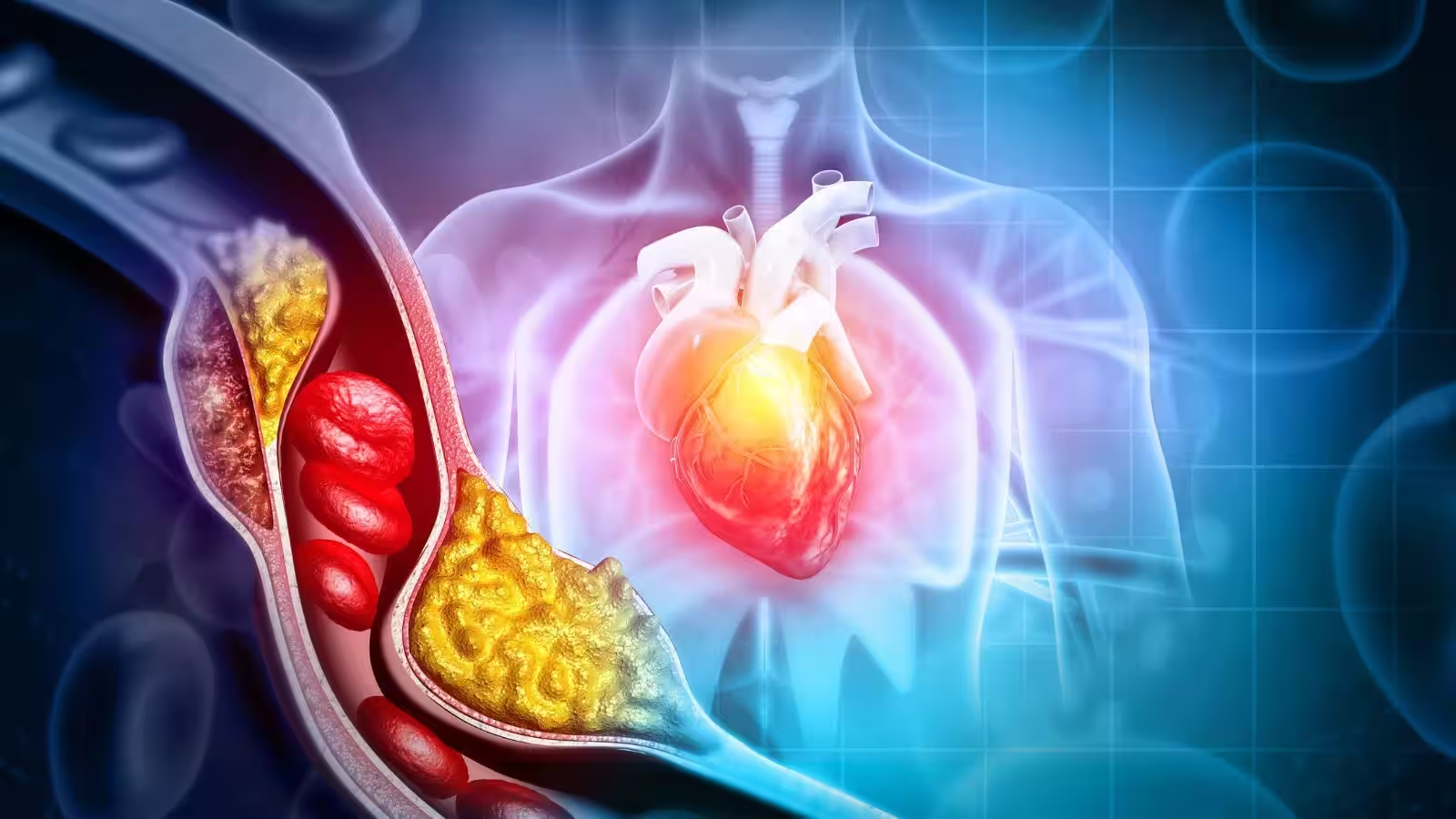
Many people assume that a normal cholesterol report means their heart is completely safe. However, cholesterol is only one part of the overall cardiovascular risk picture. The American Heart Association notes that total cholesterol should not be interpreted on its own, and an individual’s heart risk can also depend on factors such as age, blood pressure, diabetes, smoking, body weight, family history and other health conditions. Plaque can develop in arteries over time, and a plaque rupture followed by a blood clot can suddenly block blood flow to the heart.
Doctors therefore advise people not to ignore unusual symptoms simply because their latest blood test looks normal. Warning signs of a heart attack can include pressure, tightness or discomfort in the chest, pain spreading to the arm, shoulder, back, neck or jaw, shortness of breath, unusual sweating, nausea, dizziness or unexplained fatigue. Symptoms can sometimes be mild, develop gradually or come and go, and some heart attacks may occur with few or no obvious symptoms. If these symptoms occur, especially chest discomfort with breathlessness or sweating, immediate emergency medical care is important.
Note: This article is for general awareness and does not replace medical diagnosis or treatment. A cholesterol report should be interpreted along with other cardiovascular risk factors by a qualified healthcare professional. If symptoms suggestive of a heart attack occur, seek emergency medical help immediately.















Comments (0)
No comments yet
Be the first to comment!