






Shows


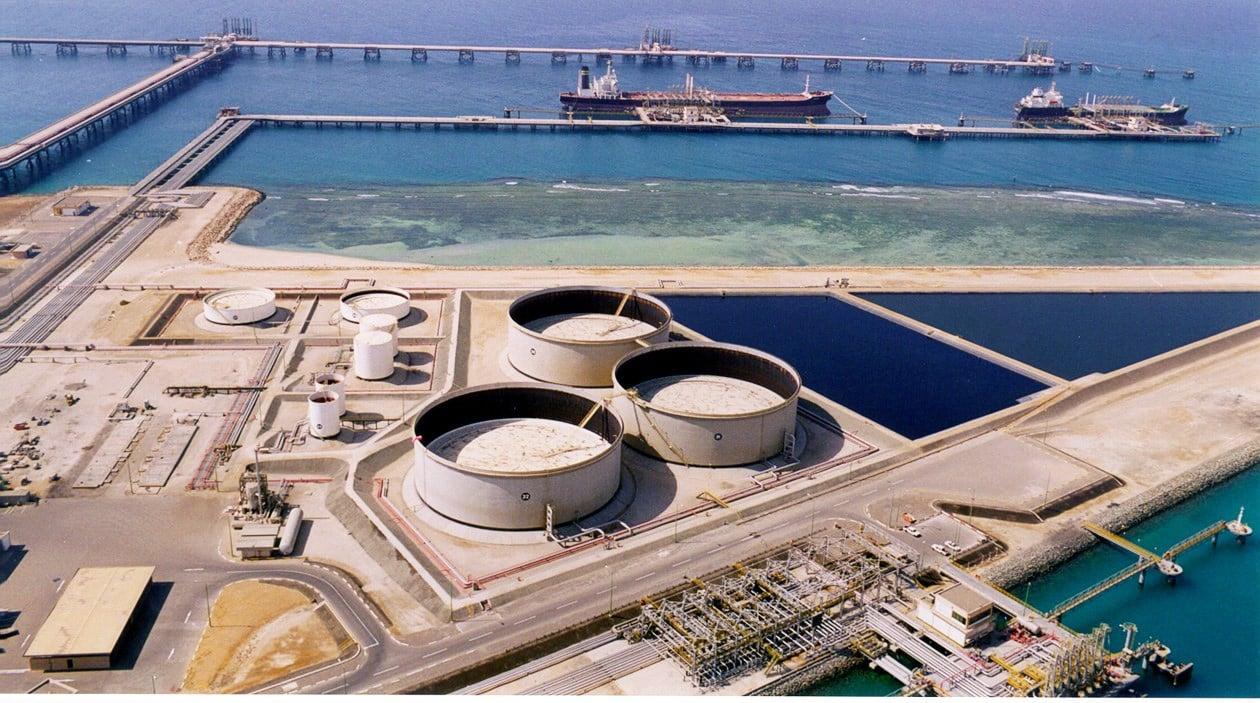
Escalating tensions in West Asia are creating fresh concerns for the global oil market. After clashes involving Iran, the US and Houthi rebels, Saudi Arabia’s East-West oil pipeline has reportedly been forced to shut down following drone attacks. The 1,200-km pipeline connects the Abqaiq oil processing facility in eastern Saudi Arabia with Yanbu port on the Red Sea. From Yanbu, crude can reach Asian and European markets through routes including the Bab el-Mandeb and Suez Canal. The pipeline was developed as an alternative export route to reduce dependence on the Strait of Hormuz during disruptions. Saudi authorities have reported drone attacks on the pipeline, while international reports citing US officials and satellite imagery said fires were seen near pumping stations. There is currently no clear indication of when the pipeline will resume operations.
The East-West pipeline has a maximum capacity of around 7 million barrels of oil per day, with about 5 million barrels allocated for exports and the remainder supplied to Saudi refineries. Although it has recently been operating below capacity, transporting around 4-5 million barrels a day, the volume is still equivalent to roughly 4-5% of global oil supply. The disruption is therefore raising concerns about additional uncertainty in the international oil market. India could also feel the impact as Saudi Arabia remains an important crude supplier. Saudi oil accounts for around 7-8% of India’s crude imports, with significant volumes arriving through Yanbu. India imported about 332,000 barrels of Saudi crude in August, compared with 414,000 barrels in July. While India sources crude from several countries, a prolonged disruption could increase procurement costs as alternative supplies become more expensive. According to PPAC data, India’s crude oil import bill rose by more than 56% year-on-year during the April-July period to $63.4 billion. The government’s trade data puts crude oil import expenditure at around $135 billion in 2025-26. If oil prices remain around $100 a barrel and import volumes do not decline, the annual import bill could cross $200 billion, with an even sharper impact if prices rise further.












Comments (0)
No comments yet
Be the first to comment!