

General


Public trust in social media is on the decline, both in Australia and worldwide, as concerns grow over misinformation and the impact on mental health. According to the 2025 Ethics Index by the Governance Institute of Australia, one in four Australians now consider social media “very unethical.”
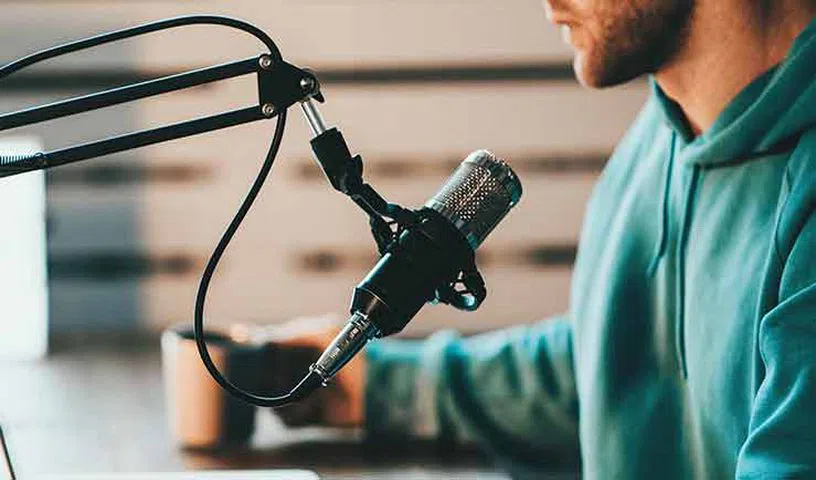
Research shows social media has its benefits, like connecting people and enabling civic participation, but it also spreads false information quickly and can fuel political polarization. Heavy use is linked to mental health issues, especially among teens and young adults. Whistleblowers, like former Facebook employee Frances Haugen, have highlighted that social media companies often know about these harms but don’t always act.Podcasts, on the other hand, enjoy a more positive reputation. Over half of Australians over the age of ten listen to podcasts monthly. Their popularity stems from deliberate consumption—listeners choose what to hear—and longer, more nuanced discussions that foster a sense of trust and intimacy with hosts. Political figures now use podcasts as part of their campaigns, reflecting their influence.
However, podcasts are not immune to misinformation. Studies have found that nearly 70% of political podcast episodes contain unverified or false claims, and some use aggressive or hostile language.The takeaway is clear: no online platform is automatically safe or trustworthy. Critical thinking and digital literacy are essential, whether navigating social media, podcasts, or other digital platforms. For a healthier information environment, platforms must act ethically, governments should enforce fair oversight, and users must remain informed and skeptical.

















Comments (0)
No comments yet
Be the first to comment!