

General


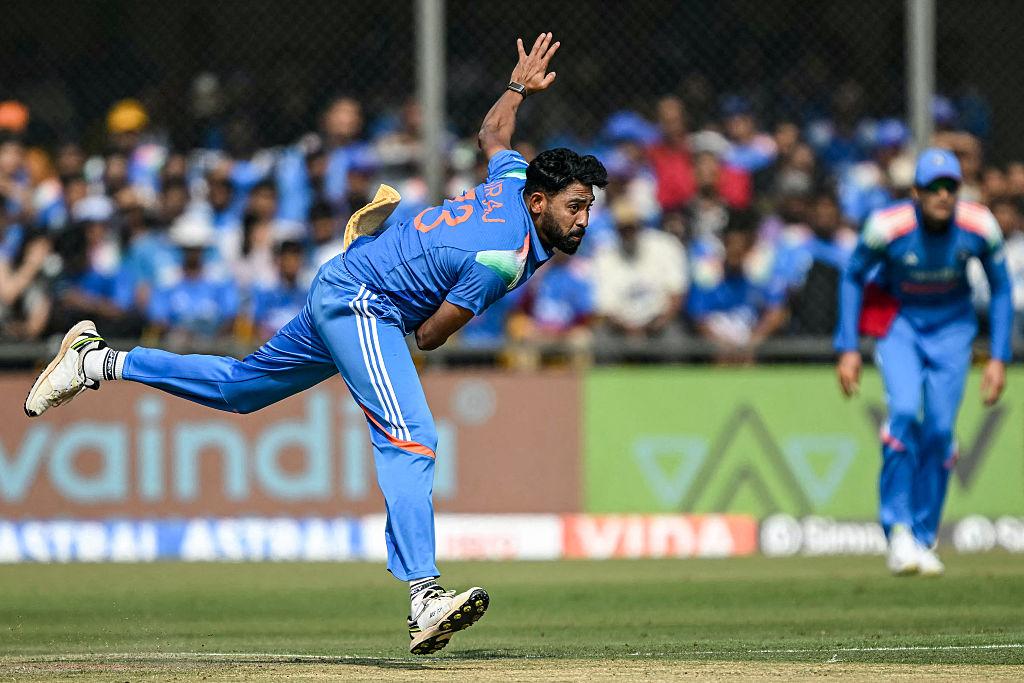
India may have won the T20I series against New Zealand, but the final two matches exposed serious concerns about its bowling attack ahead of the ODI contest. Despite the presence of experienced pacer Bhuvneshwar Kumar, India struggled to contain the Kiwi batters. Bhuvneshwar conceded runs at an economy rate of over 11 and managed just one wicket in four matches. Arshdeep Singh picked up six wickets but also proved expensive, with an economy rate of 9.45. Mayank Yadav and Prince Yadav delivered modest performances, while Axar Patel was unable to make a significant impact with the ball. Although India won the first three matches through its batting strength, New Zealand’s dominant performances in the last two games have raised questions about the effectiveness of the Indian bowling unit.
Mohammed Siraj is expected to shoulder much of the responsibility in the pace department. The Hyderabad pacer has taken 77 wickets in 51 ODIs and is the most experienced fast bowler in the squad. Arshdeep Singh, who has a strong T20 record, will also be expected to contribute, although his ODI experience remains limited. The other pacers, including Gurnoor Brar, Anshul Kamboj, Aaqib and Yash Thakur, have relatively little experience at the international level. With Prasidh Krishna unavailable, India’s pace attack appears short on experience. New Zealand, meanwhile, have a formidable batting line-up featuring Glenn Phillips, Daryl Mitchell, Tim Seifert, Michael Bracewell, Devon Conway, Tom Latham, Henry Nicholls and Will Young. Axar Patel and Kuldeep Yadav could prove crucial in the middle overs, but India’s bowlers will need a disciplined effort to contain the hosts on batting-friendly pitches.









Comments (0)
No comments yet
Be the first to comment!