

General


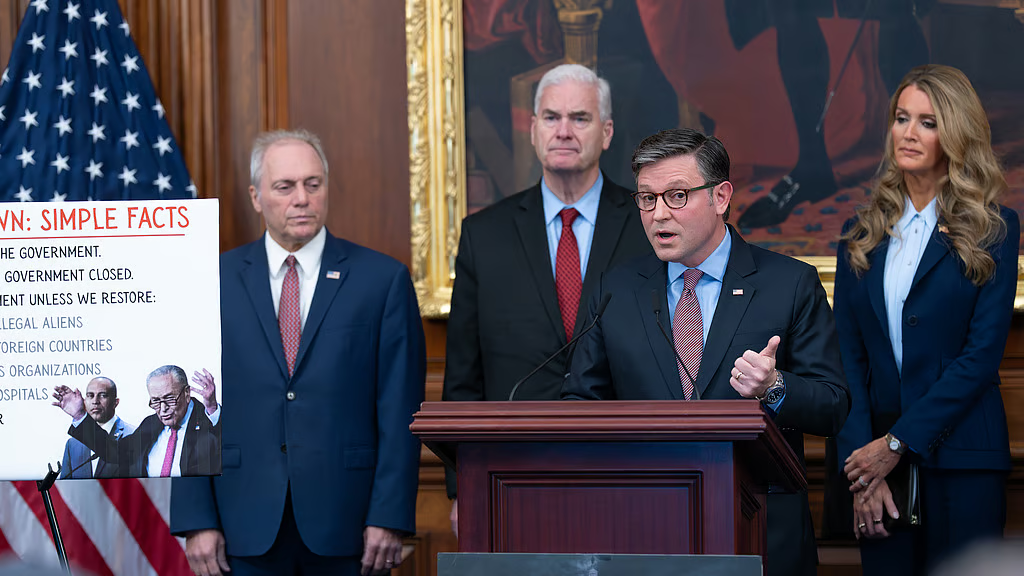
WASHINGTON: The pressure to end the second-longest federal government shutdown is gaining new urgency this week as millions of Americans face the prospect of losing food assistance, more federal workers miss their first full paycheck and recurring delays at airports snarl travel plans.
The building strain on lawmakers to end the impasse was magnified by the nation's largest federal employee union, which called on Congress to immediately pass a funding bill and ensure workers receive full pay. Everett Kelley, president of the American Federation of Government Employees, said the two political parties have made their point.
"It’s time to pass a clean continuing resolution and end this shutdown today. No half measures, and no gamesmanship," said Kelley, whose union carries considerable political weight with Democratic lawmakers.
Still, Democratic senators, including those representing states with many federal workers, did not appear ready to back down. Virginia Sen. Tim Kaine said he was insisting on commitments from the White House to prevent the administration from mass firing more workers. Democrats also want Congress to extend subsidies for health plans under the Affordable Care Act.
“We’ve got to get a deal with Donald Trump,” Kaine said.
But shutdowns grow more painful the longer they go. Soon, with closures lasting a fourth full week as of Tuesday, millions of Americans are likely to experience the difficulties firsthand.
Shutdown's impact is set to grow dramatically
The nation’s 1.3 million active-duty service members are at risk of missing a paycheck on Friday. Earlier this month, the Trump administration ensured they were paid by shifting $8 billion from military research and development funds to make payroll. But it is unclear if the Trump administration will be willing — or able — to shift money again.
Larger still, the Trump administration says funding will run out Friday for the food assistance program that is relied upon by 42 million Americans to supplement their grocery bills. The administration has rejected the use of more than $5 billion in contingency funds to keep benefits flowing into November. And it says states won't be reimbursed if they temporarily cover the cost of benefits next month.
The Department of Agriculture says the contingency fund is intended to help respond to emergencies such as natural disasters. Democrats say the decision concerning the Supplemental Nutrition Assistance Program, known as SNAP, goes against the department's previous guidance concerning its operations during a shutdown.
“The administration is making an intentional choice not to fund SNAP this weekend,” said Senate Democratic leader Chuck Schumer of New York. “The emergency funding is there. The administration is just choosing not to use it.”


















Comments (0)
No comments yet
Be the first to comment!