news


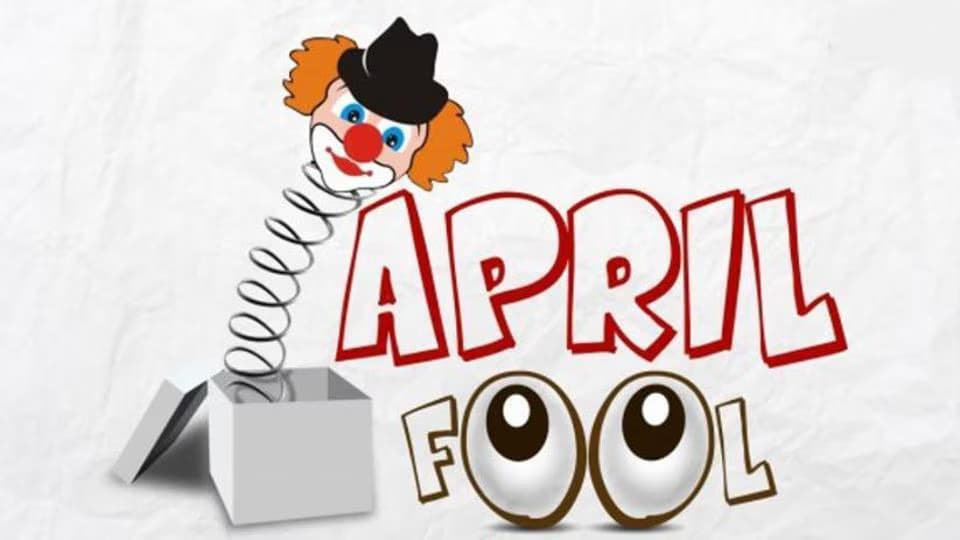
April Fools' Day, celebrated every year on April 1, has an interesting historical background with multiple theories about its origin. One of the most widely accepted explanations dates back to 1582, when Pope Gregory XIII introduced the Gregorian calendar, shifting New Year celebrations from April 1 to January 1. Those who continued celebrating the New Year in April were mocked as “April fools,” eventually giving rise to the tradition. Another theory links the day to the ancient Roman festival of Hilaria, where people engaged in humor, disguises, and playful activities. Over time, these customs evolved into a global day of light-hearted pranks and jokes.
Today, April Fools’ Day is observed worldwide with people playing harmless pranks on friends, family, and colleagues. However, some countries like China, Iran, North Korea, and Saudi Arabia discourage or restrict such celebrations due to concerns over misinformation and social disturbance. While the spirit of the day is to spread laughter and joy, experts emphasize that pranks should remain harmless and respectful, keeping the focus on fun rather than causing harm or confusion.




















Comments (0)
No comments yet
Be the first to comment!