General


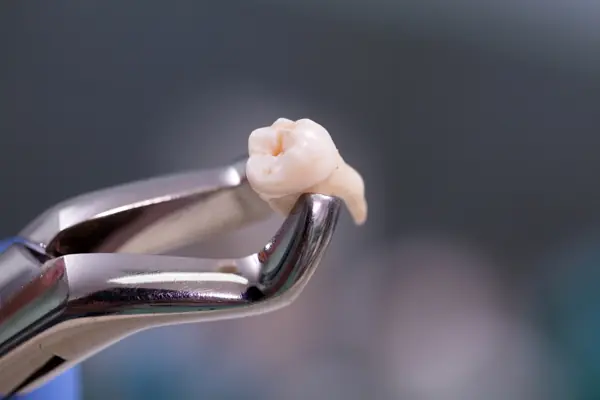
Wisdom teeth are the third molars that usually emerge between the ages of 17 and 25. In some people, they grow straight and cause no problems, helping with chewing. However, when there is insufficient space in the jaw, a wisdom tooth may become partially erupted, grow at an angle or remain trapped in the gums or jawbone. Food and bacteria can accumulate around partially erupted teeth, increasing the risk of gum inflammation, pain, infection, bad breath and tooth decay. In some cases, an impacted wisdom tooth can also affect the neighbouring tooth.
Not every wisdom tooth needs to be removed. If it is healthy, properly positioned, easy to keep clean and does not cause problems for surrounding teeth, it may be left in place under dental supervision. Dentists may recommend dental X-rays to assess the tooth’s position, direction of growth and proximity to neighbouring teeth before deciding on treatment. Persistent or severe pain, swelling of the face or gums, pus, fever, difficulty opening the mouth or problems swallowing should be evaluated by a dentist without delay.













Comments (0)
No comments yet
Be the first to comment!