
Business


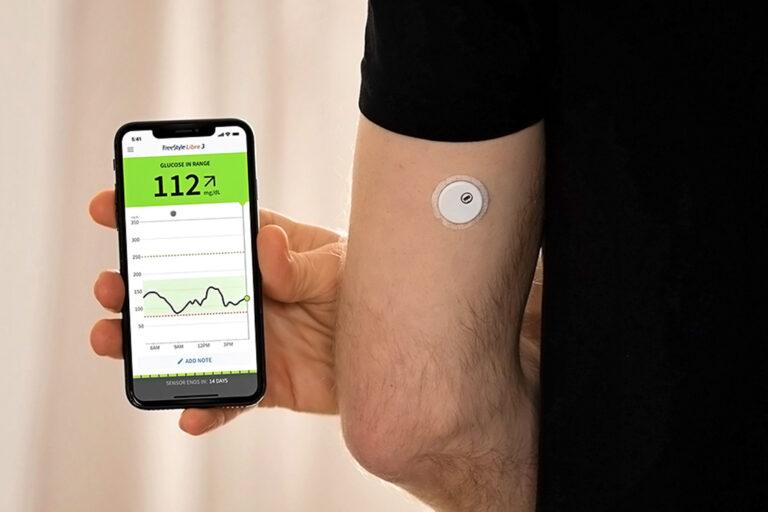
A study analysing data from the French SFDT1 cohort has found an association between intensive care admission at the time of Type 1 diabetes diagnosis and a higher prevalence of certain complications in adulthood. The cross-sectional analysis, known as the INAUGURAL study, examined 3,548 adults who had lived with the condition for a median of 20 years. Of these, 377 reported being admitted to intensive care when they were first diagnosed. Retinopathy was reported in 36.6% of those who had required intensive care, compared with 31.4% of those who had not. Severe hypoglycaemia in the previous year was reported by 15.4% and 10.5%, respectively. The associations remained after researchers adjusted for factors such as age, diabetes duration and current glucose control.
Type 1 diabetes occurs when the body produces little or no insulin, and severe illness at diagnosis can involve diabetic ketoacidosis, a potentially life-threatening emergency that may require intensive treatment. Retinopathy affects the retina at the back of the eye, while severe hypoglycaemia occurs when blood glucose falls to dangerously low levels. Researchers emphasised that the findings show an association, not proof that intensive care admission itself causes later complications. The results suggest that the severity of a person’s initial presentation may provide useful information when assessing long-term health risks. However, the study does not establish a new screening schedule or prove that a particular intervention can eliminate these risks. Further long-term research is needed to understand the relationship more clearly.
















Comments (0)
No comments yet
Be the first to comment!