
Sports


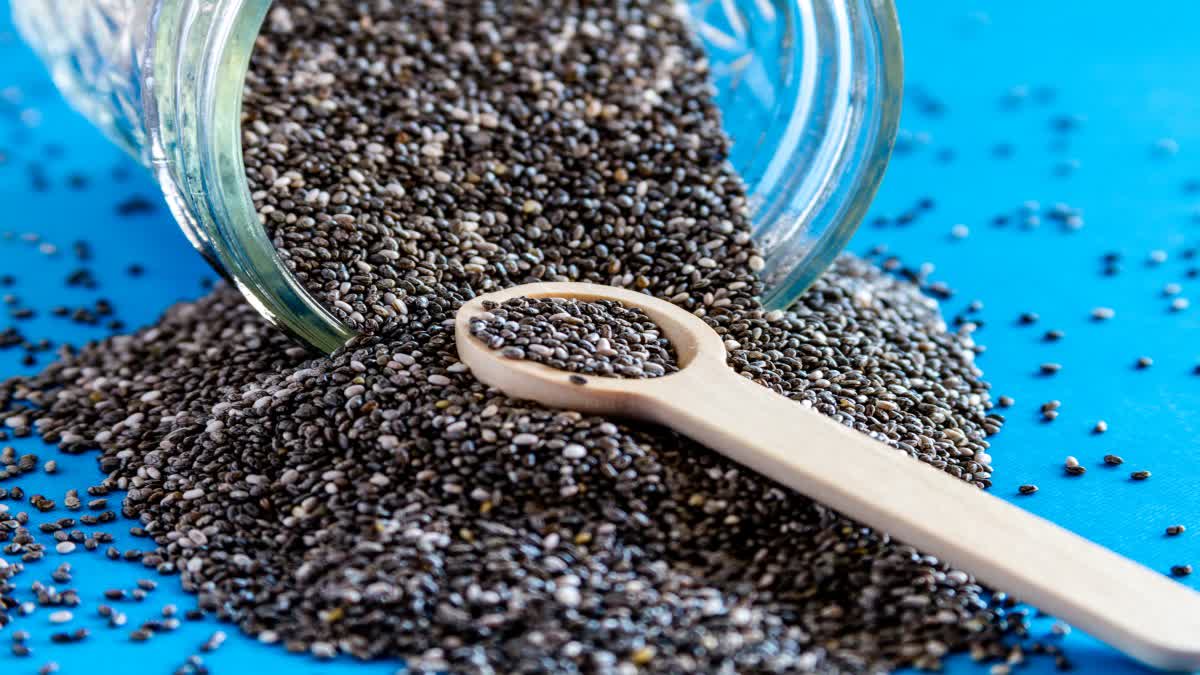
Chia seeds have become a popular addition to healthy diets because they contain fibre, plant-based protein, omega-3 fatty acids and antioxidants. Their high fibre content can help promote a feeling of fullness, which may support weight management when combined with balanced meals and regular physical activity. Fibre also helps maintain bowel regularity, although increasing intake too quickly without adequate fluids may cause bloating or digestive discomfort.
Chia seeds also provide nutrients that contribute to heart and bone health. Their plant-based omega-3 fatty acid, ALA, may support cardiovascular health, while minerals such as calcium, magnesium and phosphorus help maintain healthy bones. However, chia seeds alone cannot guarantee weight loss, control diabetes or treat hormonal conditions such as PCOS. To consume them safely, soak the seeds thoroughly until they form a gel and add them to foods such as smoothies, yoghurt or porridge. Two tablespoons a day is a commonly used serving, but it is not a universal limit for everyone. Start with a smaller amount, drink enough fluids and seek personalised advice if you have swallowing difficulties or specific medical or dietary concerns.
Note: This article is for general health awareness only and is not a substitute for professional medical advice. Consult a qualified healthcare professional for guidance based on your individual health needs.













Comments (0)
No comments yet
Be the first to comment!