

Shows


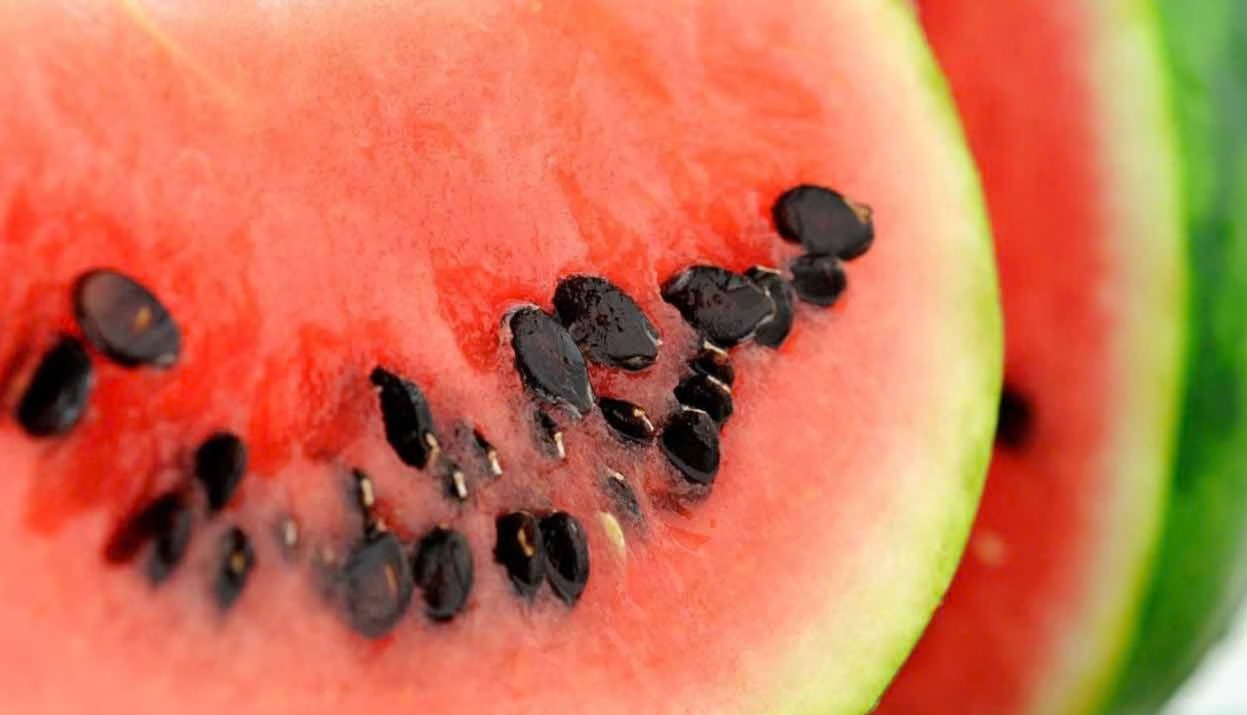
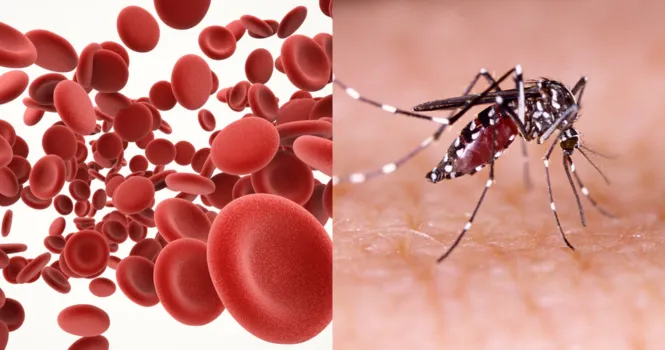
Watermelon is a popular fruit, especially during summer, but many people discard its seeds without considering their nutritional value. Watermelon seeds contain nutrients such as magnesium, iron, zinc, protein and healthy fats. Magnesium supports normal muscle and nerve function and helps regulate blood pressure. Zinc contributes to a healthy immune system, while iron is essential for producing haemoglobin in red blood cells. Including these seeds as part of a balanced diet can help provide important nutrients. However, there is insufficient evidence to claim that eating watermelon seeds alone prevents heart attacks or cures anaemia.
Watermelon seeds can be cleaned, dried and lightly roasted to make a convenient snack. They can also be ground into powder and added to salads, yoghurt, soups or smoothies. It is advisable to consume them in moderation and avoid adding excessive salt. Although these seeds can contribute to a nutritious diet, they should not be considered a substitute for medical treatment or a balanced eating plan. Anyone experiencing symptoms of anaemia or other health concerns should seek appropriate medical advice.














Comments (0)
No comments yet
Be the first to comment!