
Shows


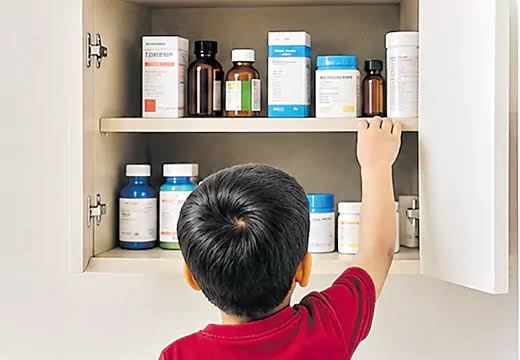
Keeping medicines at home for first aid is essential for every family. However, purchasing medicines and storing them is not enough; maintaining the right storage conditions is equally important. Excessive heat, moisture, direct sunlight and extreme cold can affect the quality and effectiveness of certain medicines. Therefore, medicines should generally be kept in a cool, dry place away from direct sunlight. Avoid storing them in kitchens and bathrooms, where heat and humidity can fluctuate. A dedicated medicine box or cabinet is a practical option. Households with children should keep all medicines in a locked cabinet, out of their reach, to prevent accidental ingestion.
Different medicines require different storage conditions. Many tablets and capsules can be stored at room temperature, while certain injections, biologic medicines and specific eye drops may require refrigeration. Always follow the storage instructions printed on the packaging and avoid freezing medicines unless specifically directed. Check expiry dates regularly and look for unusual changes in colour, smell or texture. If a medicine appears damaged or its condition is uncertain, consult a pharmacist before using it. Expired medicines should not be flushed down toilets or poured into drains. Instead, use an authorised medicine collection facility where available or seek advice from a pharmacist on safe disposal. Following these precautions can help preserve medicine quality and protect family health.
















Comments (0)
No comments yet
Be the first to comment!