
Shows


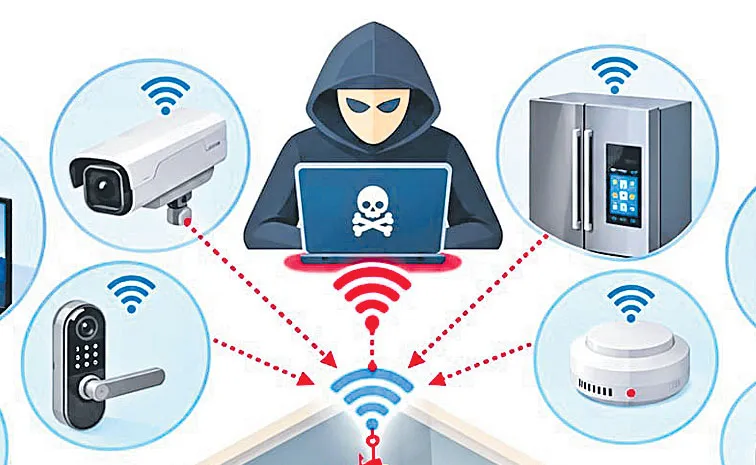
Internet-connected devices, including smart TVs, refrigerators, security cameras, smart locks and routers, are increasingly becoming targets for cybercriminals. Reports of a cyberattack affecting cooling systems at nearly 700 supermarkets in France have highlighted the potential consequences of such incidents. The attack reportedly altered refrigeration settings, putting perishable food items at risk. Hackers may access private information, change device settings or disrupt operations. Once they compromise one device, they may also attempt to target other devices connected to the same network.
Cars and critical infrastructure, including electricity and water supply networks, are also exposed to cyber risks, although they generally have additional security measures. Experts recommend using strong, unique passwords for every device, enabling two-factor authentication and installing software updates regularly. Devices that no longer receive security updates should be replaced. Keeping smart home appliances on a separate network, where possible, and disconnecting devices that do not need internet access can further reduce the risk. Limiting unnecessary internet-connected devices also helps reduce potential entry points for hackers.














Comments (0)
No comments yet
Be the first to comment!