




General


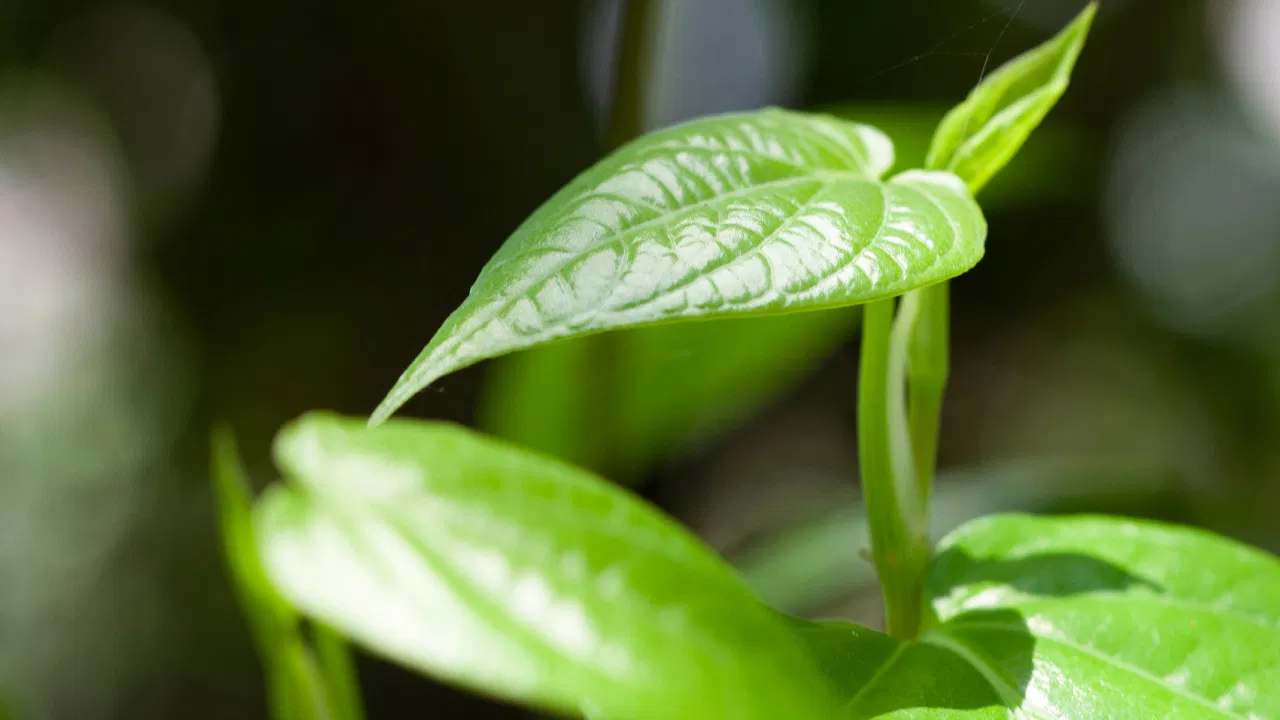
Betel leaves hold special significance in Indian culture and are considered essential in religious rituals, weddings and other auspicious ceremonies. Beyond their cultural and spiritual value, betel leaves are also known for their various health benefits. They are rich in natural antibacterial, anti-inflammatory and antioxidant properties, which support healthy digestion, help eliminate bad breath and aid in detoxifying the body. This is why elders traditionally chew betel leaves after meals as part of customary practice.
Betel leaves play an important role in improving digestion. The nutrients present in them help strengthen the digestive system and relieve issues such as indigestion, gas, constipation, bloating and acidity. Experts suggest that chewing betel leaves after meals may promote mental relaxation and help reduce stress. They are also considered supportive in regulating blood sugar levels, thereby potentially lowering the risk of diabetes. Additionally, they may offer protection against conditions such as ulcers.
Betel leaves act as a natural mouth freshener by reducing bad breath. Their antibacterial properties help control the growth of harmful bacteria in the mouth, thereby promoting oral health. They may also help alleviate toothache and bleeding gums chewing them on an empty stomach in the morning is believed to strengthen the gums. The tannins and other natural compounds present in betel leaves assist in eliminating toxins from the body. According to references from the U.S. National Library of Medicine, the antibacterial, anti-inflammatory and antioxidant properties of betel leaves can help enhance immunity and support the body in fighting infections. In Ayurveda, they have been used for centuries to manage common ailments such as cold, cough and sore throat.
Note: The information provided above is for general awareness purposes only. We do not assume any responsibility for its application. Individuals with health concerns are advised to consult a qualified doctor or nutritionist and follow professional medical guidance before adopting any remedies.
















Comments (0)
No comments yet
Be the first to comment!