





Sports


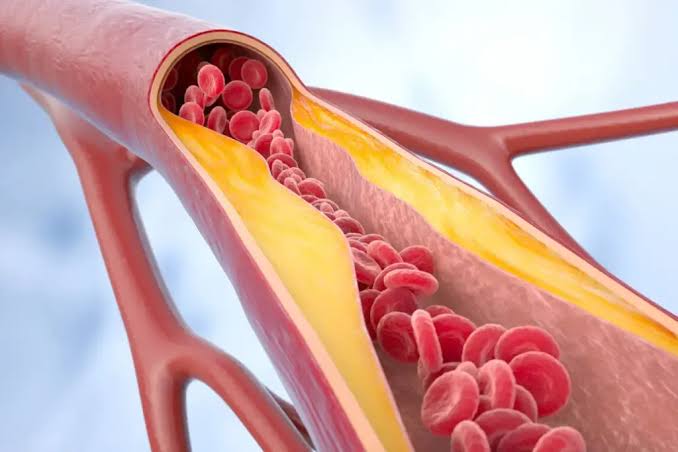
Scientists have long focused on enzymes, genes, and receptors to control bad cholesterol, but researchers at Indian Institute of Technology Bombay have taken a novel approach. They developed a small peptide called KDP that works by preventing fat from entering liver cells, thereby blocking cholesterol release at its source. Tests on lab-grown liver cells and zebrafish showed a nearly 50% reduction in cholesterol and triglyceride release into the bloodstream. The peptide is still in its early stages and requires human trials.
The liver plays a crucial role in fat metabolism by storing and releasing fats when needed. These fats are converted into protein particles and enter the bloodstream. By interrupting this process, the new peptide offers a fresh therapeutic pathway. Researchers believe this method could become an effective treatment for reducing bad cholesterol and triglycerides, which are major risk factors for heart disease.














Comments (0)
No comments yet
Be the first to comment!