
Politics


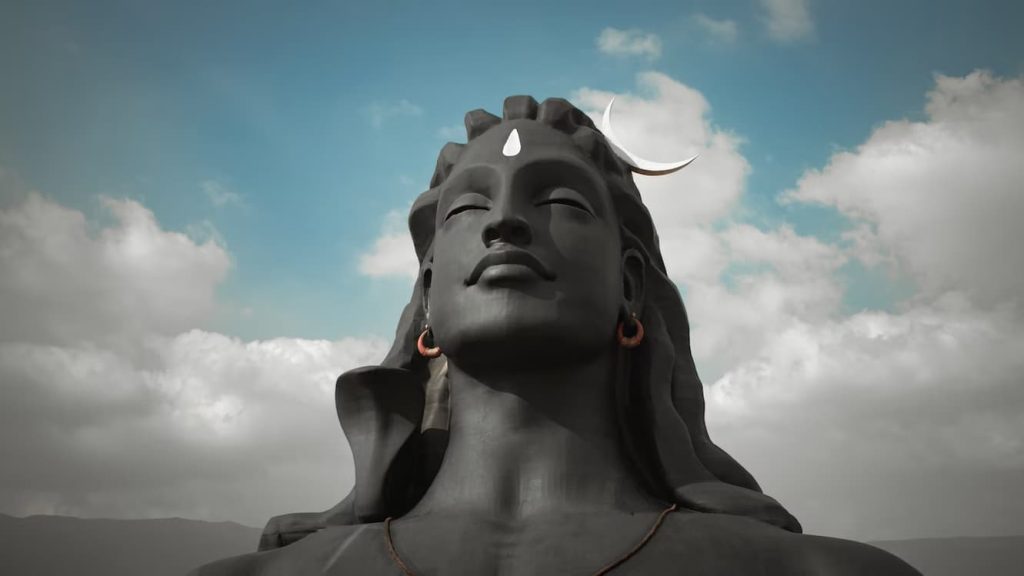
Lord Shiva is worshipped in his five-faced form, known as Panchabrahma. According to Hindu scriptures, these five faces are called Sadyojata, Vamadeva, Aghora, Tatpurusha and Ishana. Each form is associated with a particular direction and represents one of the five elements: earth, water, fire, air and space. Sadyojata represents the western direction and the element of earth. It symbolises creation, nourishment and strength. Devotees believe that worshipping this form brings strength, good health and the energy required for sustenance. Vamadeva represents the northern direction and the water element. This peaceful form symbolises protection, beauty and tranquillity. According to spiritual beliefs, worshipping Lord Vamadeva helps overcome ego and brings mental peace. Aghora represents the southern direction and the element of fire. Although this form is depicted as fierce and powerful, it is considered auspicious and protective towards devotees. Worshipping Aghora is traditionally believed to burn away ignorance, ego and negative tendencies.
Tatpurusha represents the eastern direction and the element of air. This form symbolises meditation, yogic energy and spiritual awareness. Devotees believe that worshipping Tatpurusha helps develop self-realisation, introspection and spiritual wisdom. Ishana, the fifth form, is depicted as the upward-facing aspect of Lord Shiva and represents the element of space. According to Hindu spiritual traditions, worshipping Ishana helps overcome worldly attachments and develop detachment and inner awareness. Together, these five forms represent the deeper philosophical aspects of creation, preservation, transformation, spiritual wisdom and supreme consciousness. According to the Shiva Purana and traditional Shaivite beliefs, worshipping Lord Shiva in his Panchabrahma form with devotion is considered auspicious and is believed to bless devotees with spiritual growth, inner peace and self-realisation.










Comments (0)
No comments yet
Be the first to comment!