General


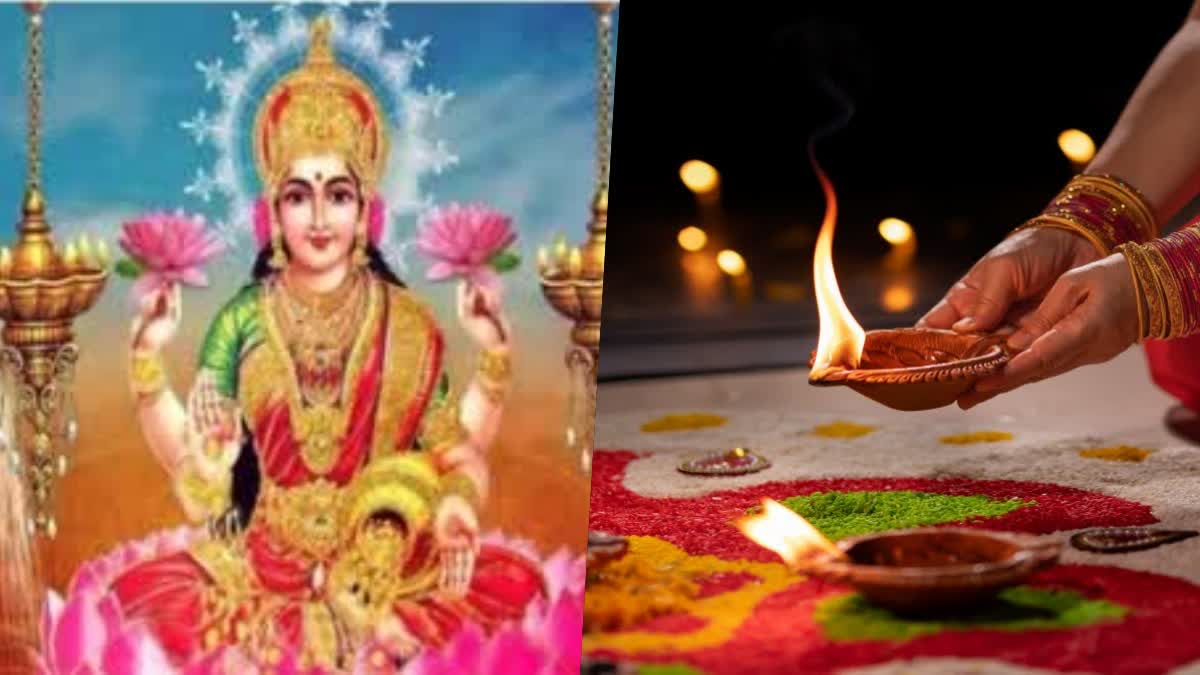
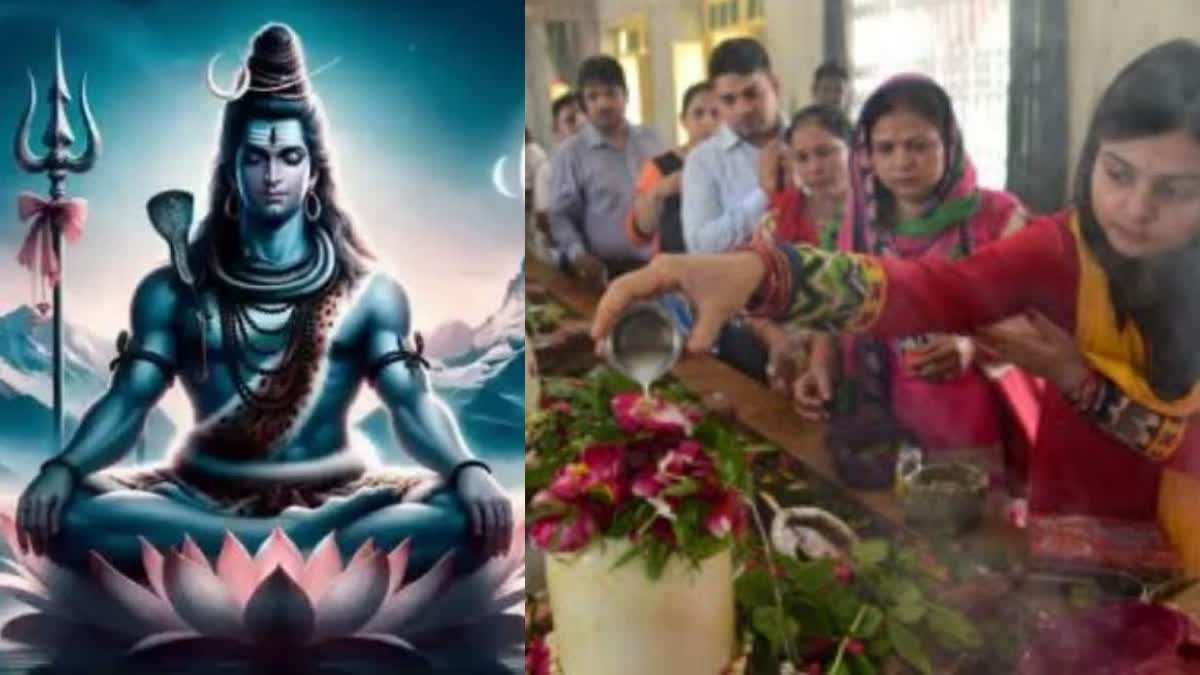
Diwali, the festival of lights, is one of India's most widely celebrated festivals and symbolises the victory of good over evil and light over darkness. This year, Naraka Chaturdashi and Diwali fall on Sunday, November 8, bringing both celebrations together on the same day. According to the traditional observances mentioned in the supplied details, Naraka Chaturdashi rituals begin at sunrise. Devotees traditionally wake up early, take an oil bath using sesame oil, wear new clothes, decorate their homes with mango leaf garlands and perform their regular prayers. Lighting lamps with sesame oil is also considered auspicious. Families prepare festive meals and sweets, sharing them with relatives and friends to strengthen family bonds.
Diwali celebrations take place in the evening, with homes decorated with lamps, flowers and colourful rangolis. The suggested auspicious time for lighting lamps and performing Lakshmi Puja is from 5:54 PM to 7:50 PM. Devotees traditionally worship Goddess Lakshmi with flowers, ghee lamps and offerings such as rice pudding, laddus, cardamom, bananas and coconuts. Reciting Lakshmi Ashtottara Shatanamavali and Kanakadhara Stotram is considered auspicious. Children should be supervised while lighting fireworks, and people are encouraged to avoid loud crackers and choose greener alternatives to reduce air and noise pollution. Diwali is also associated with the stories of Lord Krishna defeating Narakasura and Lord Rama returning to Ayodhya after defeating Ravana. The festival is celebrated with devotion, joy and the hope of prosperity and happiness. These customs and beliefs are based on traditional and religious interpretations and may not all have modern scientific evidence.




Comments (0)
No comments yet
Be the first to comment!