





Politics


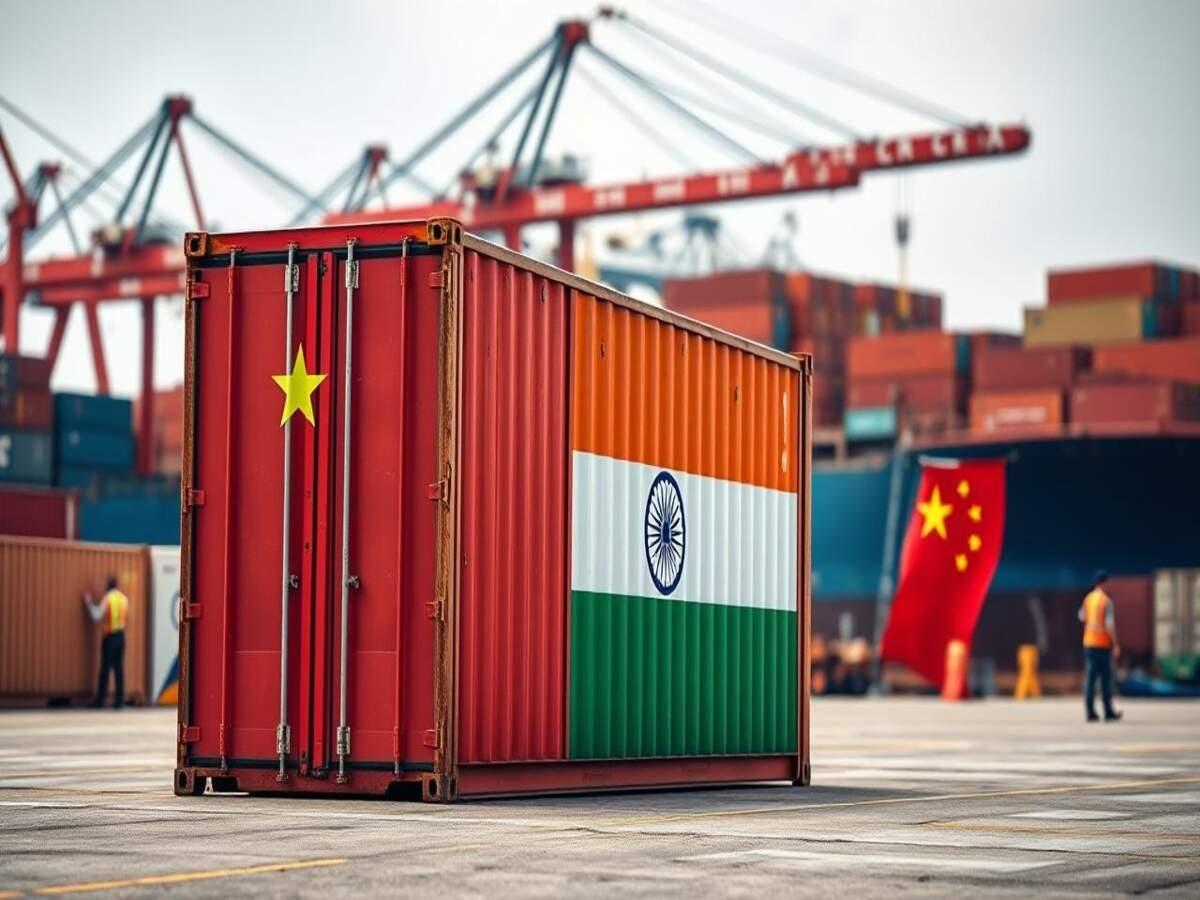
Calls to boycott Chinese products have periodically intensified in India, Europe, the US, Vietnam, the Philippines and other countries whenever geopolitical tensions rise. Despite these campaigns, China has continued to strengthen its position in global trade. The main reason is the deep integration of Chinese products into international supply chains, combined with their competitive pricing. Even countries that have political differences with Beijing remain heavily dependent on Chinese goods, industrial components and raw materials. The US and European countries have adopted measures such as higher tariffs, supply-chain diversification, incentives for domestic manufacturing and restrictions on selected Chinese products to reduce this dependence.
India faces a similar challenge. Anti-China sentiment in the country intensified after the 1962 war and again following the Galwan Valley clash in June 2020. Initiatives such as Make in India, Vocal for Local and Atmanirbhar Bharat were introduced to strengthen domestic manufacturing and reduce dependence on imports. However, China remains one of India’s major trading partners. Dependence on Chinese industrial components, raw materials and other intermediate goods has contributed to a widening trade deficit. Chinese smartphones and digital products have also gained significant popularity in the Indian market. The figures cited in the report indicate that India’s imports from China have risen sharply over the past decade, while Indian exports to China have not grown at the same pace. Globally, China’s exports have also continued to expand, underlining the country’s strong position in international trade.
India’s long-term strategy, therefore, needs to focus not merely on consumer boycotts but on building competitive alternatives. Diversifying supply chains, improving domestic manufacturing capabilities, increasing export competitiveness and developing advanced industrial technologies will be crucial. Government initiatives such as Make in India, Atmanirbhar Bharat and Production Linked Incentive schemes have helped expand domestic capacity in sectors including defence, renewable energy and pharmaceuticals. However, India continues to depend on imports for areas such as crude oil, semiconductor components, advanced industrial technology and manufacturing equipment. Achieving broad-based self-reliance will consequently require sustained investment, technological development and stronger integration with alternative global supply chains.













Comments (0)
No comments yet
Be the first to comment!