



General

Holding companies are often valued at a discount because their earnings largely come from investments in other businesses rather than from direct operations. However, companies that combine strong core businesses with valuable stakes in listed and unlisted firms can offer an additional opportunity. If the value of these investments rises or gets unlocked in the future, shareholders can benefit.
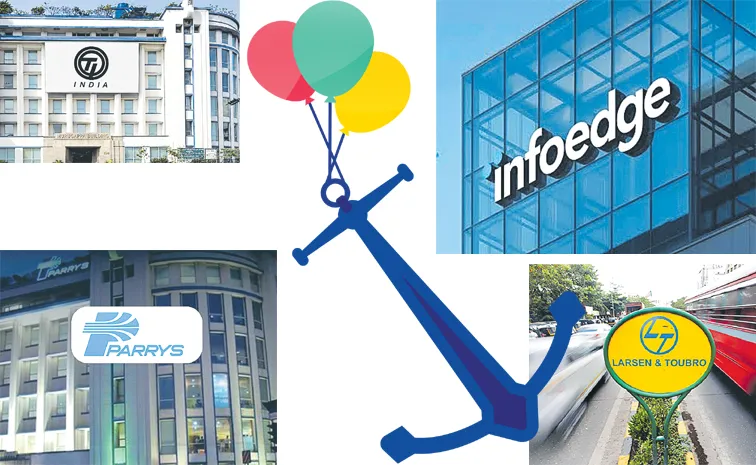
Tube Investments of India is cited as a strong example of a strategic holding company. Along with its businesses in bicycles, engineering, mobility, EVs and industrial products, it holds significant stakes in companies such as CG Power and Shanti Gears. Info Edge operates businesses including Naukri, 99acres, Jeevansathi and Shiksha, while also holding investments in startups such as Zomato and Policybazaar. These investments give the company characteristics of a listed venture capital platform.
EID Parry combines its sugar and related businesses with a major stake in Coromandel International and an investment in Indian Potash. Mahindra & Mahindra has a strong core business in automobiles, tractors and EVs while also owning significant stakes in several group companies. Larsen & Toubro is another example, with its engineering and construction operations complemented by interests in technology, finance, semiconductors, green energy and digital businesses.
Investors evaluating such companies need to consider the value of their listed and unlisted investments, the core business, cash, debt and applicable taxes. Holding companies can trade at a 30–40% discount because selling large stakes may be difficult and capital gains taxes can reduce the realizable value. Therefore, experts suggest assessing the gap between the company's intrinsic value and its market price before considering an investment.














Comments (0)
No comments yet
Be the first to comment!