
General

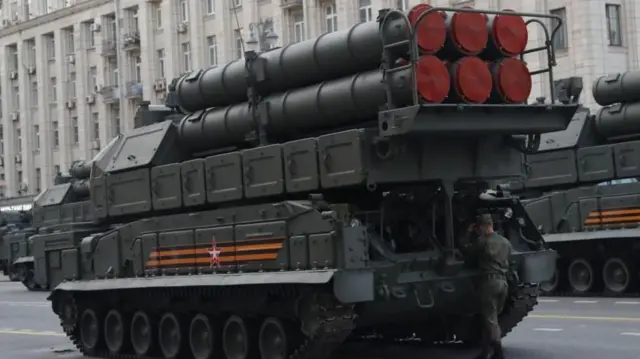
The future of the New START nuclear arms reduction treaty between the United States and Russia has come under renewed focus as the agreement nears its expiration. The treaty, which limits the deployment of strategic nuclear warheads and delivery systems, accounts for nearly 80 percent of the world’s nuclear weapons held by the two countries. While discussions are ongoing regarding whether to extend or replace the agreement, US President Donald Trump has proposed including China in future negotiations. Analysts believe such a move could complicate the agreement, as China has repeatedly declined participation in bilateral nuclear arms control arrangements.
The treaty was originally signed in 2010 by former US President Barack Obama and former Russian President Dmitry Medvedev and came into force in 2011. It restricts both countries to deploying no more than 1,550 nuclear warheads and 700 delivery systems, including missiles and bombers. The agreement was extended in 2021, but concerns have resurfaced as no clear signals have emerged about renewal. Russian President Vladimir Putin had earlier indicated willingness to extend the treaty, but the absence of formal negotiations has raised fears of a renewed global nuclear arms race if the agreement lapses.







Comments (0)
No comments yet
Be the first to comment!