General


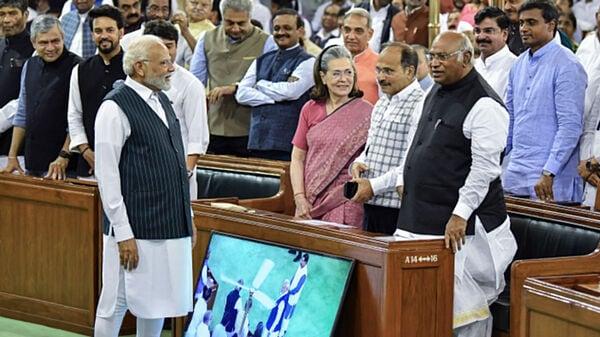
The BJP-led Centre’s push for delimitation and women’s reservation has triggered a fresh political debate over opposition unity and the Congress’s role. In April 2026, the Constitution (131st Amendment) Bill, which sought to facilitate 33% reservation for women in legislatures from 2029 and increase the maximum strength of the Lok Sabha to 850 seats, failed to secure the required two-thirds majority. Of the 528 members who voted, 298 supported the bill and 230 opposed it, falling short of the 352 votes required. Congress president Mallikarjun Kharge has repeatedly urged Prime Minister Narendra Modi to convene an all-party meeting before moving ahead with major constitutional changes. In his latest letter, dated October 16, Kharge cautioned against taking unilateral decisions on delimitation. Parliamentary Affairs Minister Kiren Rijiju countered that the government had repeatedly sought discussions with Congress but had not received dates for a meeting.
The debate is also shaping opposition coordination over the Special Intensive Revision (SIR) of electoral rolls. Congress and several opposition parties have protested the process and demanded accountability from Chief Election Commissioner Gyanesh Kumar over alleged irregularities. However, the parties may not share the same position on delimitation, particularly over how parliamentary representation would be distributed among states. Reports indicate that the government has held discussions with several regional parties, including the Biju Janata Dal, on the proposed legislation. If some regional parties support the delimitation proposal while continuing to oppose aspects of SIR, maintaining a united opposition front could become more difficult for Congress. The key question is whether the government’s legislative push will produce broader agreement on women’s representation or deepen divisions among opposition parties.








Comments (0)
No comments yet
Be the first to comment!