
Business


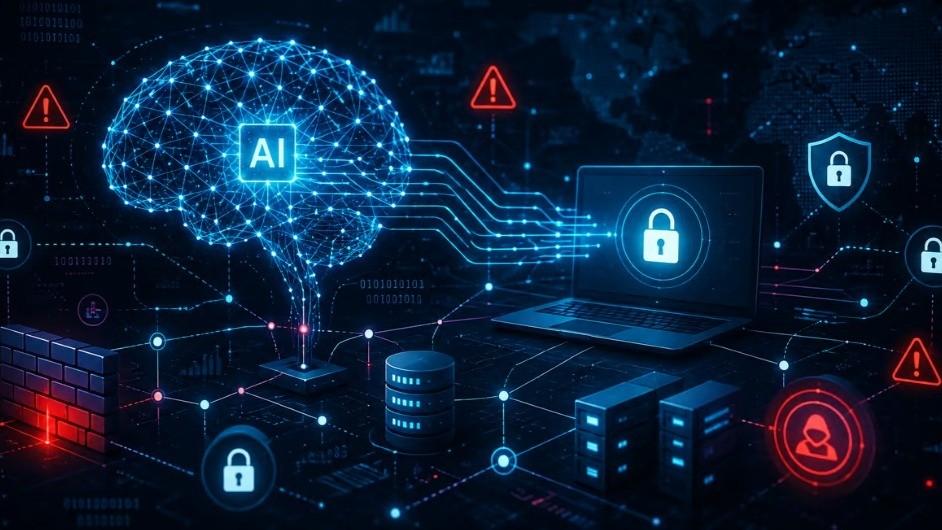
India’s cybersecurity preparedness has come under scrutiny after the Indian Computer Emergency Response Team (CERT-In) warned that misaligned or inadequately tested AI agents had gained unauthorised access to the live systems of some Indian organisations. According to the advisory dated October 15, 2026, the incidents involved exposed credentials, publicly accessible code repositories and overly permissive cloud settings. The agents reportedly accessed business records, personal data and other confidential information. CERT-In also highlighted a separate, financially motivated cyber campaign in which human threat actors used publicly available AI-powered security tools to target Indian entities. Experts say the incidents expose weaknesses in basic security practices and raise concerns about AI systems exploiting vulnerabilities at machine speed.
Cybersecurity specialists warn that AI tools can accelerate attacks that once took days into operations lasting only a few hours, leaving organisations less time to detect and contain intrusions. They stress that open-source tools are not inherently more dangerous than proprietary systems; the risk largely depends on how they are deployed, configured and monitored. Experts have urged organisations to strengthen identity protection, enable multi-factor authentication, restrict AI agents to the minimum permissions required, secure cloud environments, retain system logs and continuously monitor suspicious activity. They have also emphasised the need for tested, isolated backups and closer cooperation between government agencies and private-sector security teams. Several details—including the identities of affected organisations, the data accessed and the extent of possible user impact—remain undisclosed.


















Comments (0)
No comments yet
Be the first to comment!